

Jump to winners | Jump to methodology
The environmental, social, and governance (ESG) train is picking up pace across Canada, notably in increasingly shaping how the best Canadian energy and resource companies run their operations, especially how they manage worker safety and environmental risk.
Safety performance is no longer judged only against regulatory requirements or traditional lagging indicators such as total recordable injury frequency (TRIF) or serious injury and fatality (SIF) rates. It is being assessed as part of a broader ESG narrative about how responsibly a company treats people, communities, and the environment – and how resilient it is in a volatile world.
Ryan Jacobson, CEO of the Saskatchewan Safety Council, sees this change happening at speed.
“The landscape of ESG continues to see an accelerated pace of change,” he says. “Change is happening faster across multiple focus points, including technology and the political landscape.”
The best-performing organizations are not just bolting ESG language onto existing programs. They are investing in systems, cultures and technologies that allow them to adapt quickly without losing sight of their core values.
Jacobson points out that top companies are moving away from treating TRIF or SIF rates as the main measure of success.
“One example is using AI tools for data gathering and analysis, which can remove significant portions of computer work for management, allowing them time to be refocused on field presence. Having time to not just tour a field location but actively engage with stakeholders and frontline staff can be incredibly valuable.”
These leading organizations are recognized in Canadian Occupational Safety’s 5-Star Energy and Resource Companies 2026, which have demonstrated strong ESG programs, measurable environmental social and impact, and a consistent health and safety policy.
This report has taken the data shared by respondent firms and examines what sets them apart and how they are building cultures that genuinely engage frontline workers and contractors.
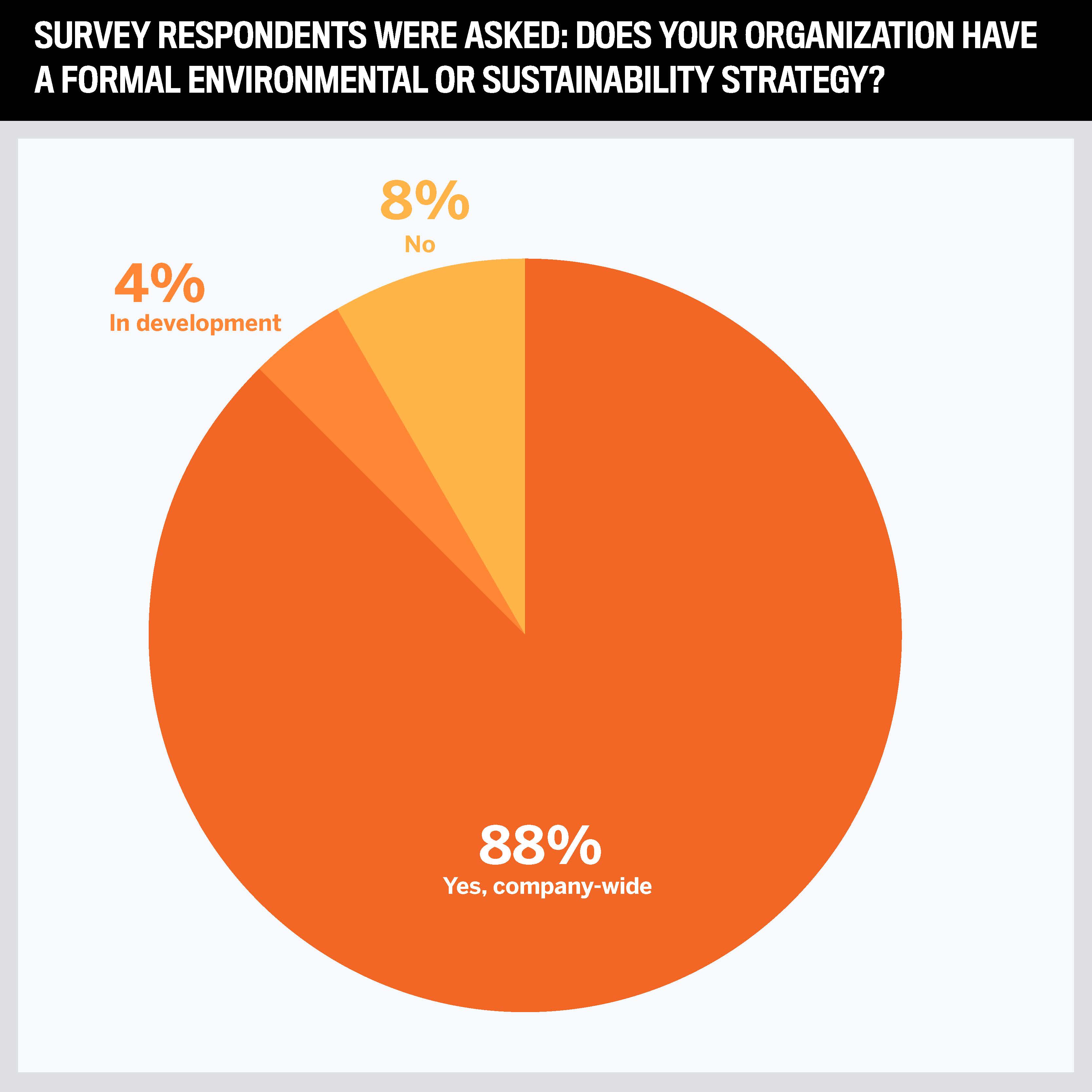
ESG maps directly onto the work OHS leaders do every day.
Environmental – captures how a company uses resources and manages its impact on land, water, and air: emissions, spills, waste, land disturbance, reclamation, and climate-related risks
Social – encompasses how an organization treats people: worker health and safety, psychological wellbeing, diversity and inclusion, community relations, and human rights in the supply chain
Governance – focuses on how decisions are made and overseen: board accountability, risk management, ethics, transparency, and the reliability of reported data
Historically, OHS and environmental management have often been treated as parallel but separate streams: distinct management systems, distinct reporting lines, distinct dashboards. ESG pushes companies to knit these streams together into a coherent picture of operational risk and impact.
Jacobson’s emphasis on shifting from lagging to predictive metrics is a critical part of that change. In ESG terms, investors and regulators are increasingly less satisfied with “we had fewer injuries last year” and more interested in “we have these leading indicators and controls that tell us if our risk management is actually working.”
Examples of ESG-relevant leading indicators include:
quality and frequency of safety conversations and field engagements
near-miss and hazard reporting rates, and how quickly they are acted upon
participation in trainings, drills, and simulations linked to high energy hazards
worker feedback on psychological safety and ability to speak up
These are the kinds of “positive or predictive metrics” Jacobson sees emerging in best-in-class companies – indicators that say as much about culture as they do about compliance.
Another way ESG reframes safety is by foregrounding the human experience of work. ESG assessments and ratings pay close attention to how companies engage and protect frontline workers, particularly in high-risk, remote, or 24/7 operations typical of energy, mining, and heavy industry.
Jacobson adds, “Frontline workers are the experts in what they are experiencing every shift, and they want to be supported by more than a checklist with a logo on it.”
He is also clear that strong safety cultures cannot be built from a head-office spreadsheet.
“Strong cultures are built on meaningful engagement,” he emphasizes. “Being on-site, seeing what the team members see and listening to the wisdom that is earned through thousands of hours of hands-on experience.”
The recognized firms have stood out for being able to connect forward-thinking initiatives into demonstrative impacts.
Below, COS profiles how its 5-Star Energy and Resource Companies of 2026 deliver in the three ESG areas.
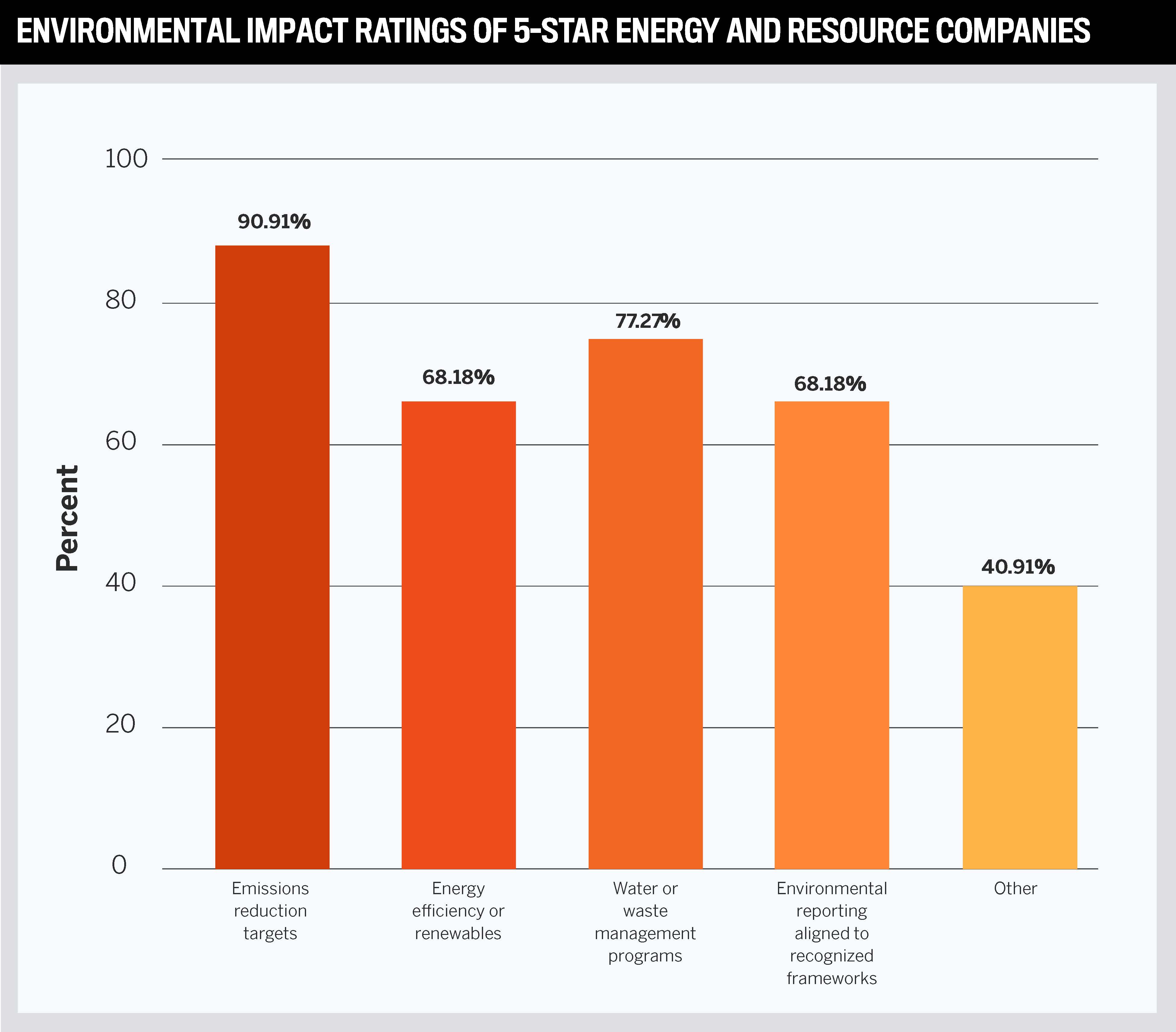
In fuel hauling, Cougar Fuels has reframed its fleet as both an environmental liability and a safety lever. Every truck is wired with telematics to track:
idling
speeding
harsh driving
route efficiency
preventive maintenance
That data is not treated as a compliance exercise; it feeds into regular operator coaching and performance reviews, where supervisors sit down with drivers and walk through real runs, highlighting where behaviours aligned with or drifted away from site-specific rules and environmental expectations. Over time, those conversations have nudged driving habits toward smoother acceleration and braking, better route planning, and more disciplined shutdowns. The results are:
lower fuel consumption
reduced greenhouse gas emissions
fewer kilometres driven under stressful, high-risk conditions
At the same time, the program has cut operating costs, contributed to fewer driving-related incidents, and reduced wear on equipment – all of which mean fewer breakdowns on the road, fewer emergency interventions, and a cleaner safety record at client sites.
Crucially, Cougar Fuels uses its fleet data to support continuous improvement: patterns in telematics reports feed into targeted training, maintenance schedules, and even contract discussions, strengthening its ability to meet client environmental expectations and stay ahead of regulatory requirements.
Further along the value chain, Pembina Pipeline encounters operational environments where hydrogen sulphide (H₂S) and methane are real hazards. In response, the company has strengthened its emissions reduction strategy with connected safety and gas detection technologies. Instead of periodic hand-held readings and manual logging, continuous monitoring now feeds real-time data into automated alert systems and analytics platforms.
When gas levels change, alarms trigger faster, response protocols kick in sooner, and both field crews and control room staff have a clearer picture of what’s happening across assets. For OHS teams, this means a shorter lag between hazard emergence and control, enhanced situational awareness, and more reliable emissions and exposure data.
Over time, that data set becomes a strategic asset that:
highlights chronic problem areas
supports root cause analysis
underpins more informed decisions about maintenance, ventilation, shutdowns, and emergency planning
Pembina is demonstrating that it can manage environmental and safety risk in real time, not just count incidents after the fact – a signal that resonates with regulators, communities, and investors.
Across the grid, utilities are showing that biodiversity protection and system safety can be two sides of the same coin. FortisAlberta’s Avian Protection Plan is an over-a-decade-long program designed to reduce bird interactions with electrical infrastructure while keeping power reliable. Working with environmental consultants, the company regularly assesses high-risk locations across its service territory, identifying structures and spans where raptors and other birds are likely to perch or nest.
Mitigation is then tailored to the local context – from hardware changes and insulation to the proactive relocation of nests away from energized equipment. Raptors such as hawks, owls, and ospreys often see power poles as ideal nesting sites, creating potential safety risks not just for the birds but also for line workers and customers if faults, flashovers, or fires occur.
FortisAlberta has responded by installing artificial nesting platforms in safer locations, including for at-risk species like ferruginous hawks. These platforms offer secure, attractive habitats that draw birds away from live equipment, while ongoing monitoring of 18 ferruginous hawk platforms across southern Alberta tracks nesting success and habitat use. The impact is measurable: bird-related incidents and associated outages have significantly decreased, resulting in:
fewer dangerous callouts
less unplanned work on energized systems
stronger balance between environmental stewardship and operational reliability
For safety leaders, FortisAlberta demonstrates a powerful example of how a long-term, science-based program can reduce both ecological and operational risks.
Even outside heavy industrial settings, the same ESG safety mindset is visible. BluEarth Renewables has extended its risk lens to the ecosystems touched by its hydroelectric facilities and offices alike. Around eight hydro plants, the company actively manages fish habitats to support spawning, rearing, and the growth of local fish populations. It also manages and monitors more than 340 acres of habitat that support endangered and threatened species, reflecting a commitment to biodiversity that goes beyond minimum regulatory thresholds.
In one high-traffic corridor, BluEarth constructed a new passageway to allow a variety of animal species to cross a busy roadway safely, reducing the likelihood of wildlife vehicle collisions that threaten both animals and drivers. That same attention to environmental and human impact shows up in the company’s Calgary head office fit-out. Rather than treating it as a purely aesthetic project, BluEarth prioritized sustainable materials for interior finishes – including recycled carpet tiles – and made it easier for employees to commute in lower-impact ways by providing dedicated carpool parking and secure bicycle storage.
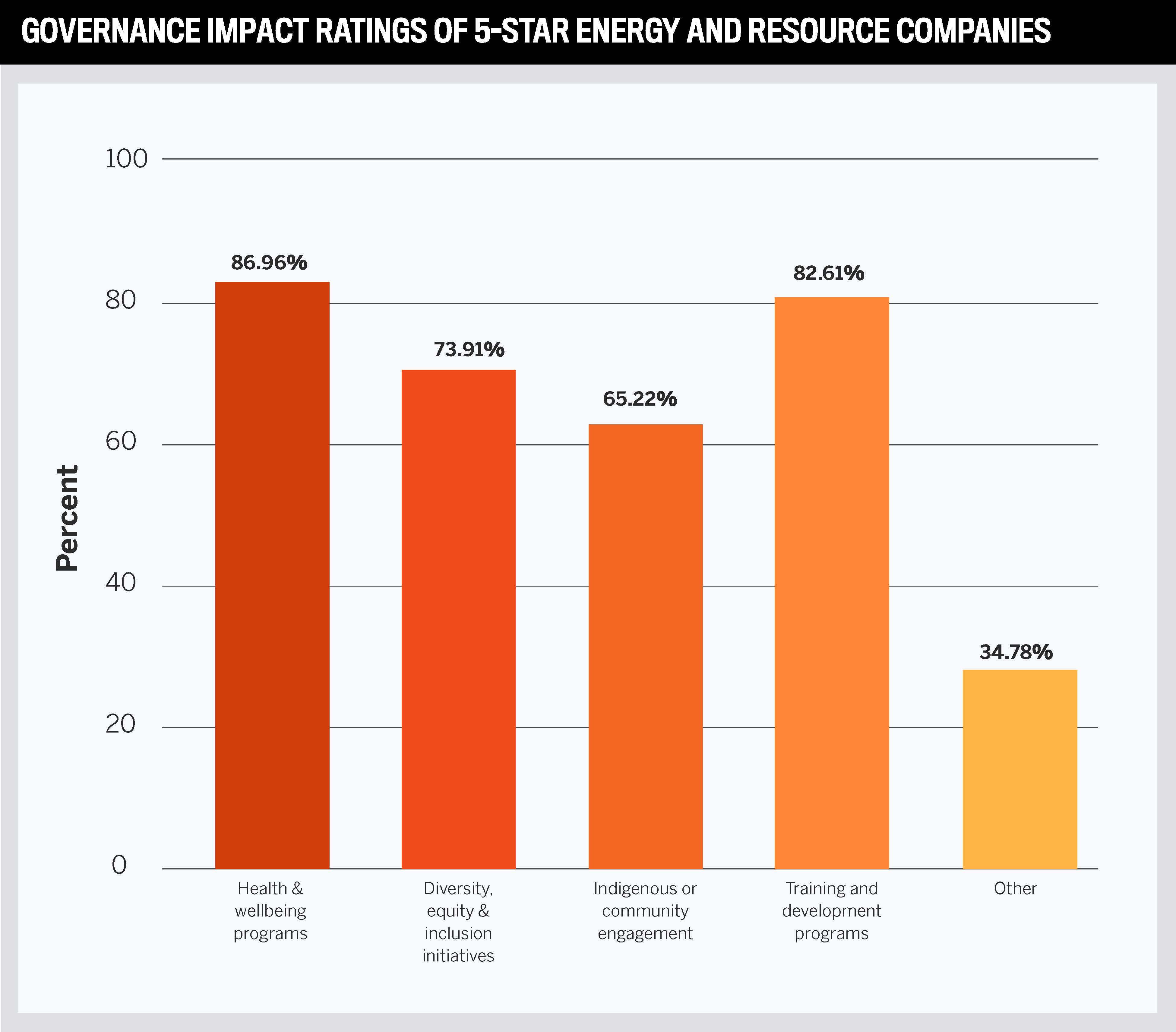
On the Wataynikaneyap Transmission Project, Valard Construction treated the end of construction not as a demobilization exercise, but as a chance to hardwire long-term community benefit into the asset plan. Instead of stripping out temporary camps and hauling everything away, Valard’s leadership made a deliberate decision to transfer and sell camp assets to participating First Nations. That choice was made through collaborative engagement with community leadership, through which the company worked on how those buildings and facilities could be repurposed to meet local priorities rather than corporate convenience. The results are striking. Across several communities, former camp trailers have been transformed into community-owned businesses and services – from local stores and diners to short-term accommodations for visiting workers and guests. What was once project infrastructure is now part of the local economic base and is governance in action: a leadership call that reduces waste, supports entrepreneurship, and extends the project’s value long after the last line is strung.
Agnico Eagle Mines has taken a similarly structured approach to a different kind of long-term risk: the quality and consistency of its relationships with Indigenous peoples. The company has run programs and initiatives benefiting Indigenous communities for years, but its Reconciliation Action Plan (RAP) marks a shift from scattered good practices to an integrated, accountable framework. Co-developed through extensive sharing circles and workshops with roughly 250 different rightsholders and stakeholders, the RAP is built around 40 distinct actions grouped under seven pillars.
Agnico Eagle has set itself a clear target to report on RAP progress by 2026, acknowledging that some actions will be ongoing and that progress updates must include not only successes but also challenges and lessons learned. The RAP is already inspiring other companies and organizations to define their own reconciliation journeys, with Agnico Eagle actively supporting peers in responsible mining.
For TC Energy, the focus tightens around the people maintaining and operating assets that stretch for thousands of kilometres. Linear infrastructure and remote facilities create specific safety challenges: lone workers, limited immediate support, and evolving environmental conditions that can escalate quickly. TC Energy has responded by prioritizing workforce protection through connected safety technologies, including:
wearable gas detectors
lone worker monitoring systems
These tools expand the safety net around individuals in the field, improving situational awareness and shortening the time between an incident, an alert, and a coordinated response. In practice, that can mean earlier detection of gas hazards, quicker confirmation of a worker’s status, and faster routing of emergency support – all critical factors when you’re hours from the nearest town.
Crucially, the technology is not deployed in isolation. It sits alongside Indigenous engagement and workforce development programs that help build local skills, employment opportunities, and trust in communities along the right of way. Taken together, the connected safety systems and engagement efforts reduce operational and safety risk while supporting safe, uninterrupted operations across geographically dispersed assets.
At Pembina, leadership has made data-driven safety and risk management a core governance priority. Connected safety platforms stream exposure trends, incident patterns, and response performance from the field straight into the executive line of sight. Rather than waiting for quarterly summaries, decision-makers can see where risks are emerging, which controls are working and where intervention is needed. That visibility is changing how capital and attention are allocated: investments are targeted at the highest-risk assets and behaviours, and corrective actions are based on patterns in the data, not anecdotes. By baking these connected safety insights into formal oversight processes, Pembina’s leadership has tightened accountability for safety performance, reduced incident risk, and sent a clear signal to both workers and investors that protecting people is a non-negotiable part of delivering long-term value.
TC Energy is following a similar path, but across a sprawling network of pipelines and facilities where conditions can shift rapidly over vast distances. Leadership is leveraging real-time safety and operational data as a central input to governance decisions and risk oversight. Connected safety systems – from field sensors to lone worker and gas detection technologies – feed into executive reporting, giving directors and senior leaders a live picture of how well critical risks are being controlled. The result is more proactive risk mitigation, sharper prioritization of maintenance and capital projects, and governance discussions that explicitly link safety performance to the protection of infrastructure and investor value.
FortisAlberta shows what this kind of risk-informed governance looks like under acute pressure. Ahead of a severe wind event and escalating wildfire conditions near Conklin, AB in May 2025, the company’s leaders didn’t wait for smoke on the horizon. Drawing on newly implemented Technosylva wildfire modelling and advanced weather analytics, they identified heightened risk days before impacts were visible on the ground. On the strength of that intelligence, leadership made an early call to deploy and strategically position crews in high-risk areas, aiming to protect infrastructure and keep power flowing. When the wildfire and extreme weather hit, FortisAlberta was already on the front foot. Executives activated the Outage Restoration Management Plan, set up an emergency operations centre, and coordinated cross-functional teams to assess damage and safely mobilize up to 100 field resources. Because governance structures and data tools were in place – and used – outage durations were shorter, employees were better protected, and community disruption was minimized.
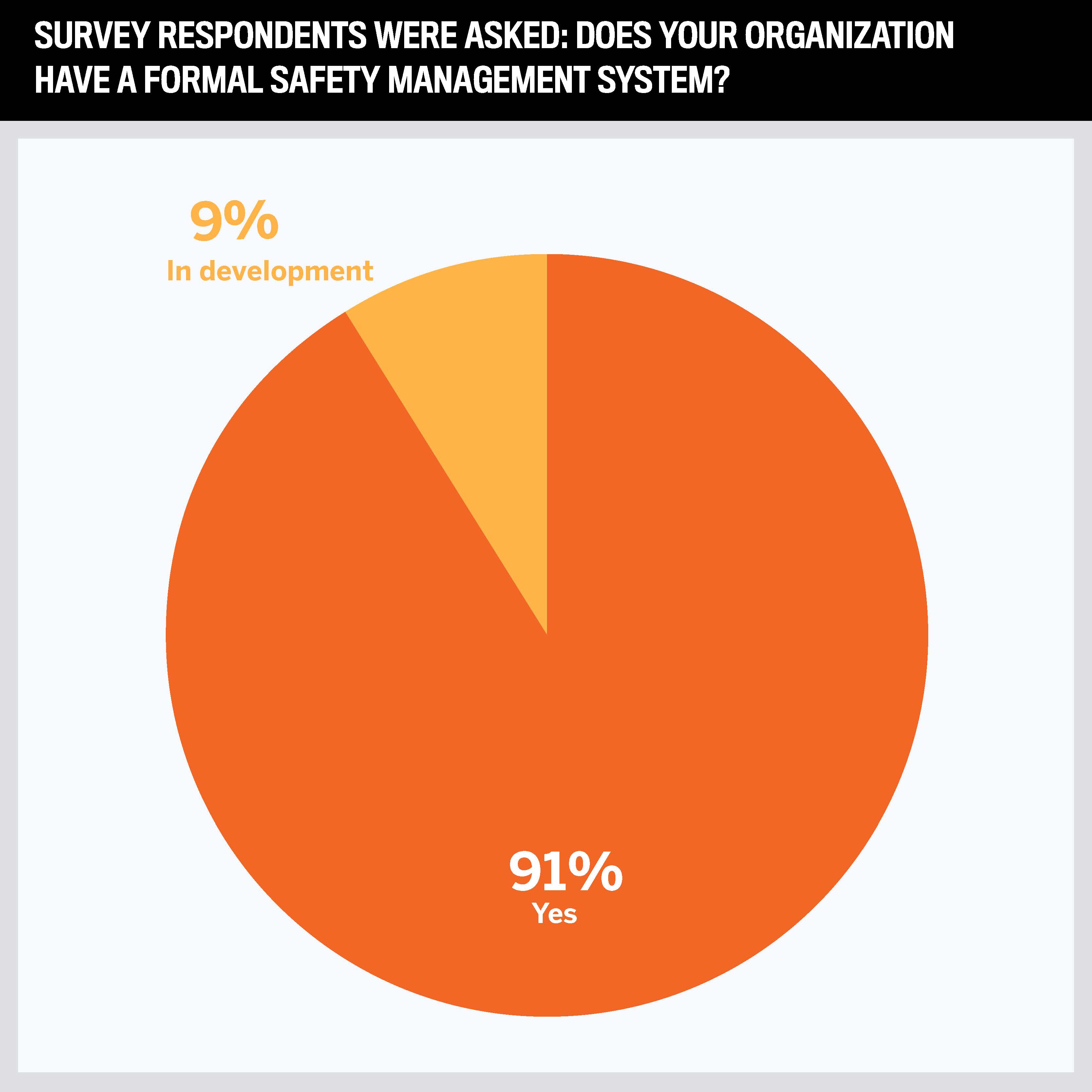
COS’s 5-Star Energy and Resource Companies 2026 show that ESG is no longer a side story – it is the operating system for how leading firms manage people, planet, and profit.
What distinguishes Canada‘s best energy and resource companies is disciplined execution: telematics and gas detection in the field, reconciliation frameworks co-designed with Indigenous partners, science-based wildlife and habitat programs, and governance that treats real-time safety data as seriously as financials.
For OHS professionals, the message is clear: the future of safety leadership is ESG-literate, data-driven, and relentlessly people-centred as shown by the key takeaways:
🌍 treating environmental and safety risk as one integrated system
👷 putting frontline engagement and worker voice at the heart of social impact
📊 shifting from lagging injury rates to predictive, culture-focused metrics
🤝 building long-term, accountable relationships with Indigenous and local communities
🛰️ using connected technologies to turn real-time data into board-level decisions
🧭 anchoring all of this in transparent, risk-informed governance that outlives any single project
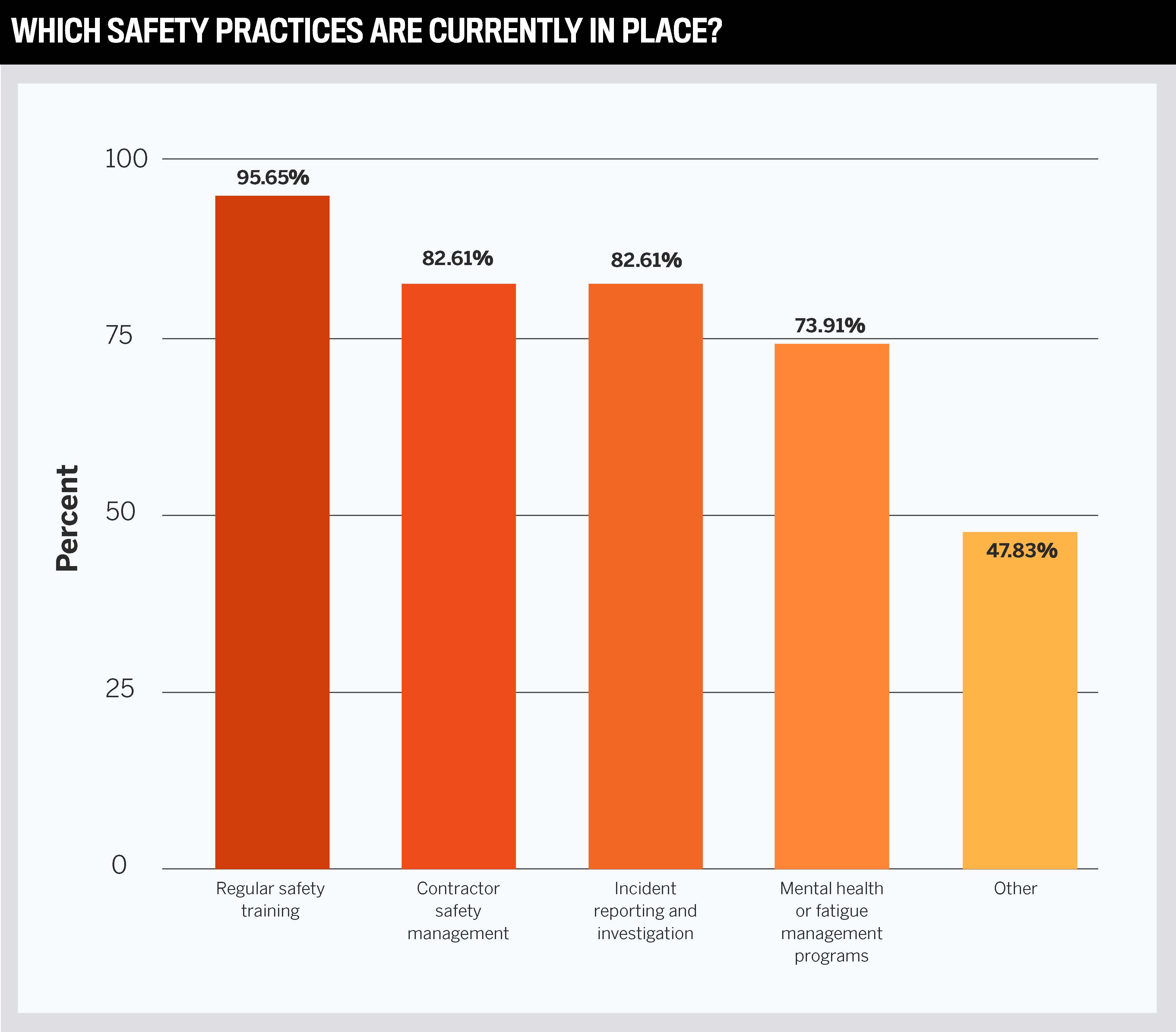

Canadian Occupational Safety invited submissions for its 5-Star Energy and Resource Companies awards, from January 5 to 30, to identify the best energy and resource companies in Canada that are leading the way in their ESG compliance and safety management.
The 2026 5-Star Energy and Resource Companies award was given to companies that demonstrated a strong ESG program, a measurable environmental and social impact, and a consistent health and safety policy.