
Concern about flu is driving better handwashing, but new survey also shows many still skip soap and cut corners
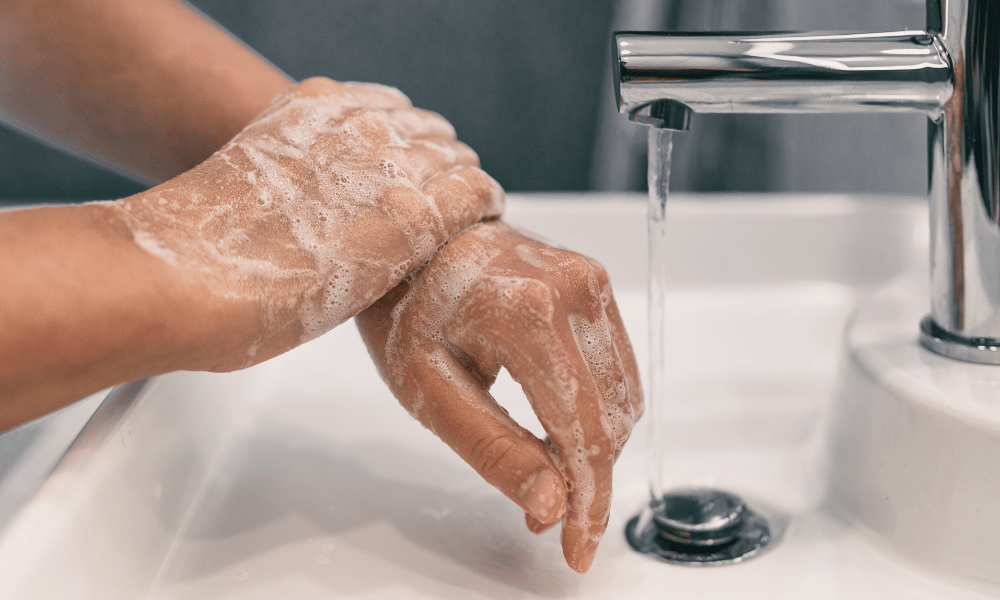
Heightened concern about seasonal viruses is driving better hand hygiene in public settings, according to new U.S. survey data with clear implications for Canadian health and safety professionals. Bradley Company’s 2026 Healthy Handwashing Survey, based on a sample of 1,020 American adults, finds that 70% of respondents are very or somewhat concerned about contracting the flu, up from 59% three years ago.
That concern appears to be changing behaviour. The survey reports that 81% of respondents say they wash their hands more frequently or more thoroughly during flu outbreaks and seasonal virus surges, up from 74% in 2023. Nearly all respondents (93%) believe handwashing is important to maintaining overall health. Bradley first conducted its Healthy Handwashing Survey in 2009, during the H1N1 (swine flu) outbreak; at that time, only 45% said they stepped up hand hygiene in response to seasonal viruses, suggesting a long‑term shift in how people view handwashing as a prevention strategy.
“Handwashing, using soap and warm water, is one of the simplest and most effective ways to reduce the spread of disease, including the flu,” said Brian M. Forster, Ph.D., a microbiologist and chemical hygiene officer at Saint Joseph’s University, in the press release announcing the findings. For health and safety leaders in Canada, where public health messaging has similarly emphasized soap-and-water hand hygiene, the results reinforce the value of sustained education around basic infection‑control measures.
Gaps between awareness and behaviour in public restrooms
Despite high awareness, the survey shows that everyday habits in public washrooms do not always match stated intentions. In 2025, 81% of American respondents said they always washed their hands after using a public restroom; in 2026, that figure dropped to 76%. On average, respondents report washing their hands around eight times a day, but women report washing about twice as often as men, continuing a longstanding pattern in the data.
The gender gap is familiar to Bradley’s researchers. In a separate interview about this year’s findings, Jon Dommisse, vice president of strategy and business development at Bradley, noted that the company has been running the Healthy Handwashing Survey for about 17 years and “very much is showing that people are very, very focused on handwashing [and] maintaining their overall health,” while women consistently outpace men on most measures of handwashing behaviour.
Visible non‑compliance in public washrooms is also widespread. More than three‑quarters of Americans (77%) say they have seen others leave a public restroom without washing their hands, up from 68% in 2024. One in five admit they are more likely to skip handwashing when no one else is around, and 44% say they sometimes just rinse with water; men are more likely than women to bypass soap (50% vs. 38%). While the figures are U.S.-specific, they highlight behavioural dynamics—social norms, perceived time pressure, and restroom conditions—that Canadian employers and facility managers also need to consider.
Restroom environment as an occupational health and safety issue
For occupational health and safety teams, the findings go beyond personal hygiene and into facility design and maintenance. Dommisse said the research underscores “the growing importance for companies to really be offering clean, hygienic, safe washrooms,” pointing to survey data showing that an unclean or unpleasant restroom negatively affects customers’ impressions and can influence their decision to return. In a workplace context, similar perceptions can affect employee confidence in an organization’s broader health and safety culture.
Dommisse highlighted post‑pandemic expectations for touchless fixtures and dispensers, observing that many users now avoid contact with crank paper‑towel dispensers or lever‑style taps because they perceive those surfaces as germ‑laden.
For Canadian health and safety professionals responsible for offices, industrial facilities, schools or healthcare settings, the U.S. findings suggest several levers: maintaining visibly clean, well‑stocked washrooms; upgrading to touchless taps, soap and towel dispensers where feasible; and ensuring layouts support easy cleaning and keep water and waste off the floor. Dommisse also pointed to signage and other visible prompts as tools some organizations are already using to reinforce handwashing in employee washrooms, alongside physical upgrades that make compliance straightforward.
Applying U.S. insights in Canadian workplaces
The 2026 Healthy Handwashing Survey is based on U.S. respondents, but it tracks behaviours—such as skipping soap, relying on quick rinses, or adjusting hygiene only during peak flu activity—that have been documented in Canadian and international research as well. The core message for Canadian OHS leaders is that handwashing campaigns are more effective when education, social cues and restroom design are aligned.
By treating public and employee washrooms as critical control points for infection prevention, and by responding to evolving expectations around cleanliness and touch‑free technology, Canadian organizations can use these North American data as a practical benchmark—while continuing to monitor local guidance and worker feedback to fine‑tune their own hand hygiene strategies.