Water‑contaminated fuel and missed checks turned routine drum fuelling into a dual‑engine failure

The Transportation Safety Board of Canada (TSB) is warning of serious risks tied to fuelling aircraft from drums after a Grumman G‑21A Goose suffered a dual engine failure and crashed shortly after takeoff from Bella Bella, B.C., in December 2023. The Board’s investigation concluded that water‑contaminated fuel, combined with gaps in storage, handling and inspection, led to a collision with terrain near the departure runway.
Dual engine failure after drum fuelling
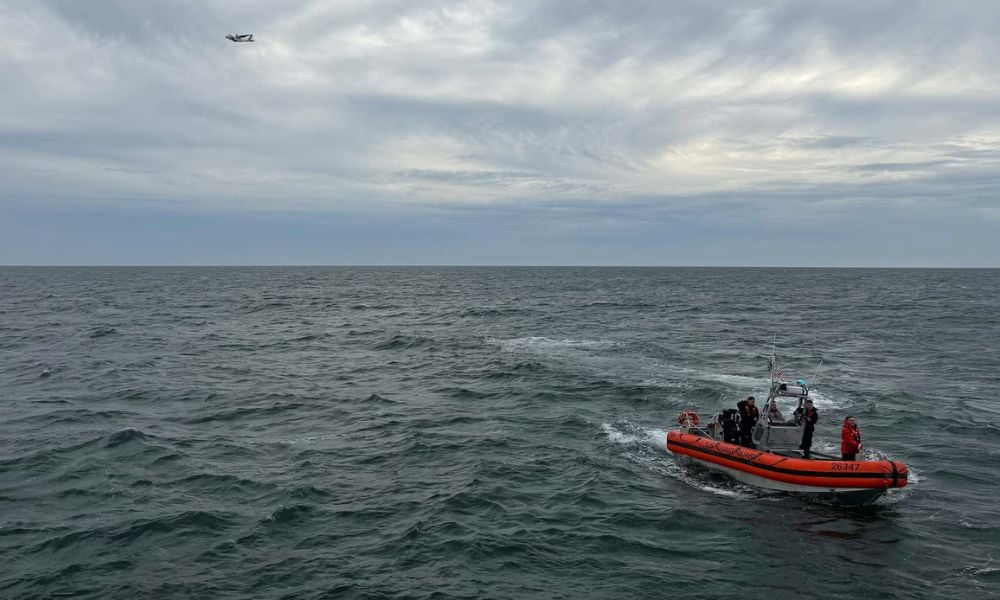
On 18 December 2023, the Wilderness Seaplanes Ltd. amphibious aircraft departed Bella Bella on a flight to Port Hardy, B.C., with one pilot and four passengers on board. The aircraft had been refuelled from a drum before departure. Shortly after takeoff, “the aircraft experienced a dual engine failure and collided with terrain a short distance from the departure runway.”
According to the TSB, “all occupants received minor injuries” and the aircraft was “substantially damaged” in the crash.
Investigators determined that the loss of power in both engines was directly linked to fuel quality. The report found that “the dual engine failure and subsequent collision with terrain were caused by water‑contaminated fuel.”
The contamination originated at the drum. The occurrence drum had been stored upright, which, according to the Board, “likely allowed water to enter, contaminating the fuel.” This practice deviated from Transport Canada guidance on fuel drum storage that is intended to reduce water ingress.
Safeguards missing and checks normalized away
Beyond storage practices, the investigation identified missing or weakened defences at several stages of the fuelling operation. The Board notes that “common safeguards such as filters and water detection paste were not used.”
Training and documentation around drum fuelling were also limited. The TSB found that “because it was assumed that the task was simple and that pilots would have prior experience, training or clear procedures for drum fuelling were not provided.”
Fuel sampling practices further weakened the safety net. According to the report, “fuel sampling was only required during daily inspections, and its omission had become normalized.” This meant that critical checks immediately after fuelling from a drum were not consistently carried out.
Taken together, these factors created what the Board describes as “gaps in storage, handling, and inspection” that “created conditions for contaminated fuel to enter the aircraft’s system, ultimately leading to the loss of engine power and the forced landing.”
For occupational safety professionals and operators, the case illustrates how assumptions about “simple” tasks can erode controls. When routine checks such as fuel sampling are treated as optional, and when storage practices drift away from established guidance, hazards like water‑contaminated fuel can remain undetected until an in‑flight emergency exposes them.
Operator’s corrective actions after the crash
Following the occurrence, Wilderness Seaplanes Ltd. introduced new measures aimed at strengthening fuel quality controls on its Goose fleet. The company “equipped its Grumman Goose aircraft with a clear container that simplified one‑person fuel sampling from the cockpit.”
The operator also tightened its requirements for post‑fuelling checks. The TSB reports that it “made it mandatory to collect and inspect a fuel sample after fuelling aircraft from any source other than a fuel truck or fuel tanks at two specified locations.”
These changes are intended to ensure that sampling happens at the point of greatest risk—immediately after fuelling from higher‑risk sources such as drums—rather than relying on once‑daily inspections. For organizations operating in remote or coastal environments where drum fuelling remains common, the Bella Bella occurrence underlines the importance of:
- Adhering to recommended drum storage orientations to minimize water ingress.
- Using filtration and water detection products during fuelling.
- Embedding clear, mandatory sampling procedures into routine operations.
By pinpointing how water‑contaminated fuel entered the aircraft and how existing practices allowed it to go undetected, the TSB’s findings provide a focused set of lessons for employers and operators aiming to reduce fuel‑related risks in their own operations.