

19 drivers quit in the last month alone over safety concerns
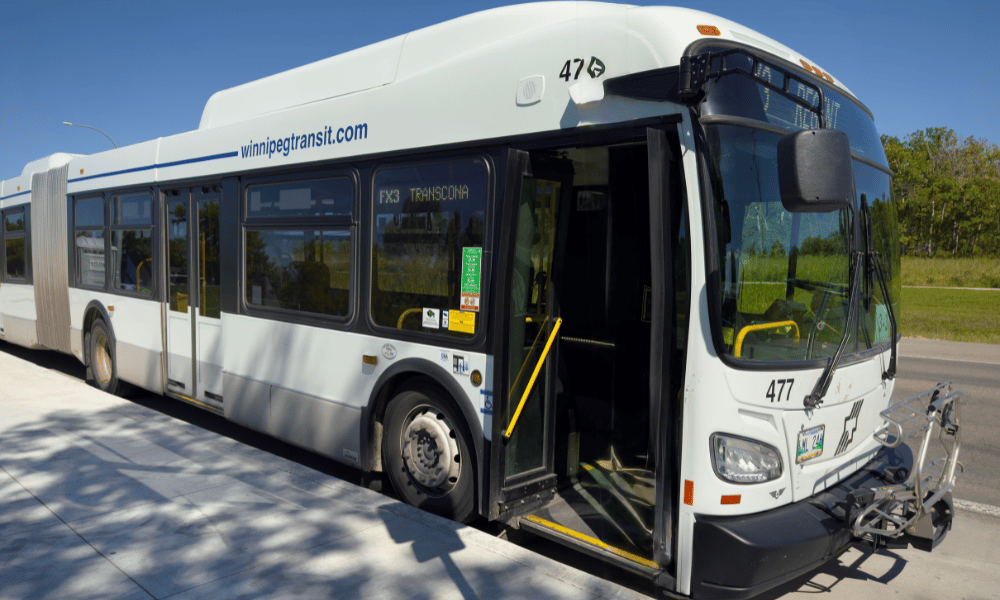
Winnipeg’s transit system is facing a crisis that extends far beyond scheduling and service delays. For the city’s bus drivers and other frontline workers, the daily commute has become a gauntlet of escalating violence, fear, and uncertainty.
A surge in violence and its toll
The most recent incident—a bus driver shot in the hand by a youth wielding a pellet gun—has once again thrust the issue into the spotlight. According to Chris Scott, president for Amalgamated Transit Union Local 1505, the attack unfolded in a matter of seconds. “A young male had walked up to the front of the bus and asked that they be let off. It wasn’t a bus stop… The young man started getting angry, yelling, threatening to beat up the operator,” Scott explained. As the driver tried to de-escalate, the passenger pulled a gun and fired, shattering the protective shield. The suspect then fired two more shots, and the driver, who in the moment believed it was a real gun, put his hand up to protect his face, and was hit in the hand. “He thought his life was coming to an end,” Scott said.
This is not an isolated event. In 2025 alone, there have already been 221 incidents on Winnipeg buses, surpassing the previous year’s total. “Of those 221, roughly about 91 or 92 are assaults on transit employees,” Scott noted. The violence is not limited to drivers; maintenance staff and mechanics have also been targeted while working on the streets.
The psychological toll is immense. “The biggest injury is the psychological injury that occurred with this assault,” Scott emphasized. Many operators are reconsidering their careers. Since the beginning of October, 19 drivers have resigned, citing safety concerns for themselves and their families. “There’s been a lot of operators saying, ‘I don’t know how much longer I’m going to stay. I’m concerned about going to work,’” said Scott.
Seeking solutions amid systemic challenges
Winnipeg has taken steps to address the crisis, including installing shields, upgrading cameras, and deploying community safety officers. However, Scott remains skeptical about the effectiveness of some measures. “I don’t know how a camera stops an employee from being assaulted. It’s good for the investigation after the fact, but I want to stop assaults from occurring in the first place,” he said. The city is now working to fully enclose driver compartments, but the process is slow, with shields still in the proposal stage.
Communication failures compound the danger. During the recent shooting, the operator struggled to reach the control center due to an outdated radio system, forcing him to use his cell phone in a moment of crisis. “We often have zones in the city where if you can even place a call through, either control center can’t hear you because of the static or you can’t hear control center’s instruction,” Scott explained.
Underlying these incidents are broader social challenges. Many perpetrators are struggling with homelessness, addiction, or mental health issues. “If there were more resources for youth programs, for community centers to be open, this young man… maybe he would have had something else to do and not try and find exhilaration in such an act” Scott reflected.
Despite some progress—such as new federal and provincial funding for housing and mental health supports—Scott says the response remains inadequate. “We will continue to lobby on the preventative aspect to try and… stop these acts of violence from happening in the first place,” he said.
For Winnipeg’s transit workers, the stakes are clear. Until meaningful change arrives, every shift begins with uncertainty—and, too often, ends in trauma.