School shooting shows why every board must move beyond denial and build real plans for violence, security and mental health
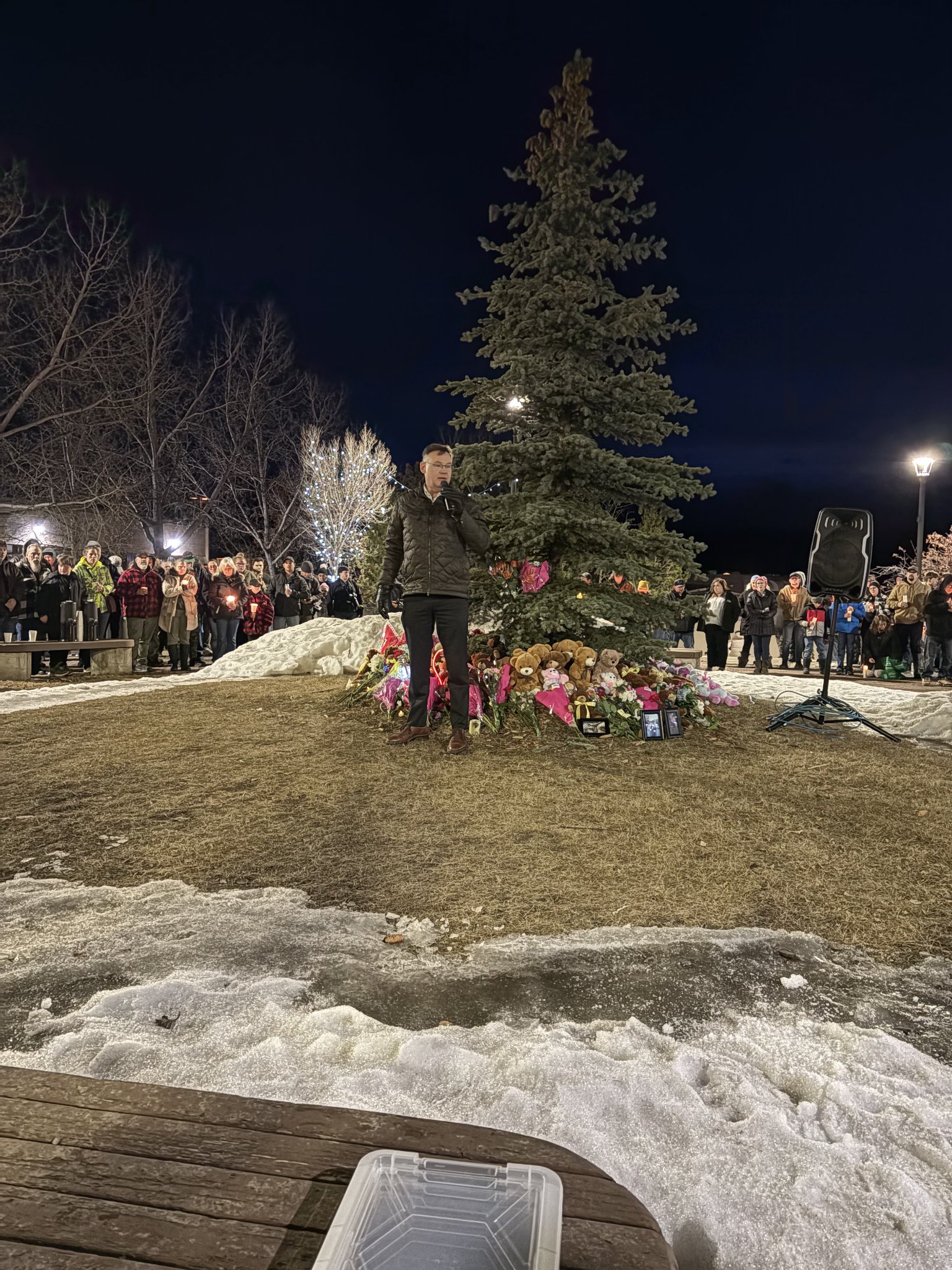
The murder of six children and two adults in Tumbler Ridge, B.C., have shattered the illusion that mass violence is only a big‑city or “American” problem. In a community of roughly 2,700 people in B.C.’s Peace region, five students, a school staff member and two family members were killed Tuesday. The 18‑year‑old shooter, Jesse Van Rootselaar, took their own life.
RCMP say Van Rootselaar first killed her mother, 39‑year‑old Jennifer Jacobs, and 11‑year‑old sibling, Emmett Jacobs, at the family home before going to Tumbler Ridge Secondary School, where she opened fire.
Inside the school, 39‑year‑old education assistant Shannda Aviugana Durand was killed while at work supporting students. Twelve‑year‑olds Kylie Smith, Zoey Benoit, Ticaria (“Tiki”) Lampert and Abel Mwansa Jr., along with 13‑year‑old Ezekiel Schofield, were also fatally shot before police found the shooter dead of an apparent self‑inflicted gunshot wound.
In total, nine people, including the shooter, died in the rampage.
For health and safety leaders in school systems, the lesson is stark: if it can happen in Tumbler Ridge, it can happen anywhere.
‘Just thinking it can never happen here is not a plan’
Andy Roszak, CEO of the Institute for Childhood Preparedness and an attorney who trains educators across North America on security and emergency planning, says denial is one of the most dangerous starting points.
“Just thinking it can never happen here is not a plan,” he said. His organization works with teachers and early childhood educators to develop and test plans, policies and procedures before a crisis hits, with the goal of making child‑serving programs “as safe, secure, and as prepared as possible.”
He stresses that critical decisions about how to respond to violence cannot be made for the first time in the middle of an attack. “The time to learn how to use the fire extinguisher is not when the building is on fire,” he said.
His message to Canadian boards that once saw school shootings as an American problem is blunt: face the issue directly, because it has already happened here.
Move beyond lockdown posters
Roszak says the first layer of protection is external security: locked and monitored entry points, and better visibility around schools.
“You would be hard pressed in the United States to find any school that you could just walk right in the front door,” he said, noting that locked‑door policies were not standard even a decade ago. He also points to parking lots as a blind spot, with a significant share of school shootings happening in parking areas, making surveillance and situational awareness outside the building essential.
For Canadian school boards, that means reviewing access control policies for all sites, including rural schools; ensuring main entrances are controlled and supervised during the day; and assessing line of sight and camera coverage for parking lots and drop‑off zones.
But physical security is only part of the picture. Roszak argues that focusing solely on weapons misses the deeper, often predictable triggers behind many attacks: custody battles, relationship breakdowns, terminations and other interpersonal flashpoints. In countries with strict gun control, attackers have used vehicles, knives and other weapons.
He urges boards to focus on the overall threat: integrating violence prevention into broader risk assessments, monitoring high‑conflict situations linked to the school community, strengthening relationships with police and mental health services, and ensuring clear pathways for staff to raise concerns before they escalate.
Training that prepares – without traumatizing
Roszak’s mantra is “Don’t be scared, be prepared.” He encourages regular, scenario‑based training for educators and administrators, but warns against hyper‑realistic drills that can traumatize staff and students.
“We don’t need people coming in with paintball guns and BB guns and simulated rounds and scaring the heck out of everybody,” he said. “You don’t learn by being scared.”
Instead, he recommends age‑appropriate, trauma‑informed exercises that walk staff through lockdown, communication and reunification procedures, with an emphasis on clear roles and decision‑making under pressure.
A long mental health history and missed chances
RCMP confirmed Van Rootselaar had a history of mental health issues and had previously been apprehended under the Mental Health Act for assessment and follow‑up.
Officers also seized firearms from the residence about two years ago under the Criminal Code, although those guns were later returned to their lawful owner and no criminal charges were laid. The most recent police contact related to mental health concerns was in the spring of last year. Investigators have not identified a motive and say they have no information that Van Rootselaar was bullied at the school over her gender transition; she dropped out about four years ago and was not enrolled there.
For health and safety leaders, this history underlines that serious mental health issues and prior police contact can coexist with limited, fragmented support – particularly in small communities – and that information often sits in silos between police, health and schools.
Small towns, big risks – and duty of care
Tumbler Ridge’s size is part of what makes the shooting so jarring. But Roszak says smaller communities can face greater risk because they often lack mental health infrastructure and may underestimate their vulnerability. In many rural places, “they just don’t have the resources,” he said, or assume that knowing everyone in town is a substitute for formal supports and planning.
He also warns that doing nothing is increasingly risky from a legal and ethical perspective. While Canada’s legal framework differs from the United States, the underlying duty of care is similar. Parents reasonably expect that boards and administrators are taking active steps to keep students and staff safe.
“If you’re not doing something to make sure everybody’s safe and secure and prepared, well, then shame on you,” Roszak said. “Because the parents are trusting you to do the right thing.”
For the families of the deceased the loss is immeasurable. For school boards and health and safety leaders across Canada, their deaths – and the documented history of mental health concerns and prior police interventions – are a call to dismantle the “it won’t happen here” mindset and replace it with concrete, coordinated plans that span security, mental health and community partnerships. While a tragedy of this magnitude is rare in Canada, school violence is becoming the norm.