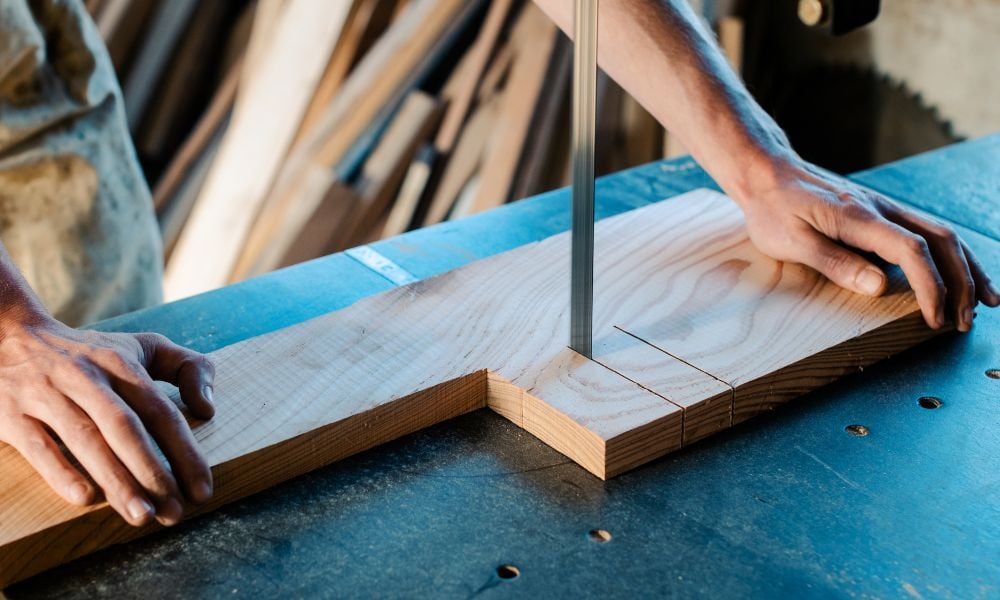

Male workers in construction, warehousing and manufacturing may be ignoring early symptoms of a common, treatable circulatory condition
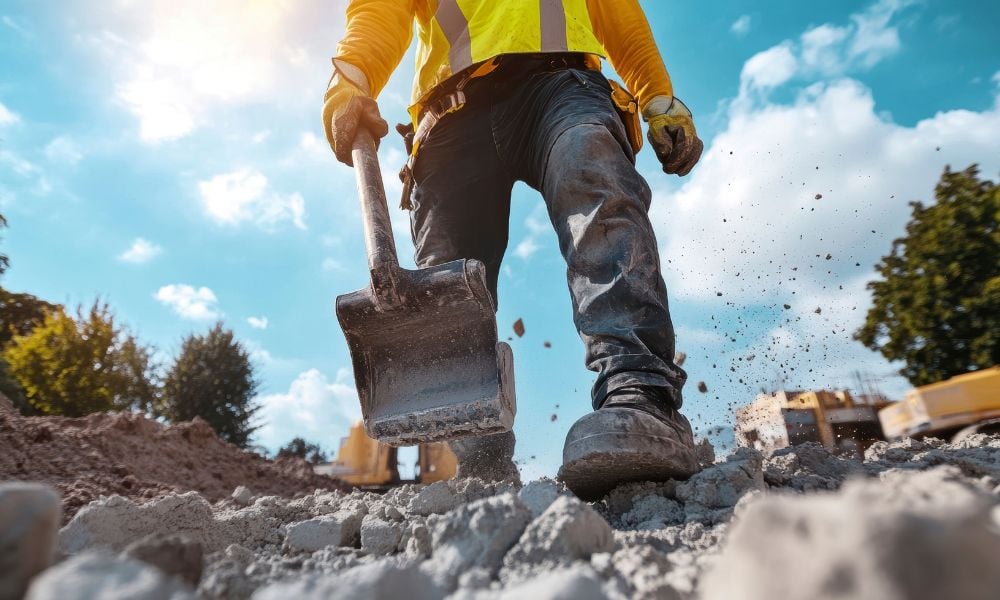
Men who spend long hours standing, lifting and operating heavy machinery may be quietly developing a serious circulatory condition, according to vein specialists marking Men's Health Month this June.
Chronic venous insufficiency, a condition in which weakened vein valves allow blood to pool in the lower legs, is disproportionately common among men in physically demanding roles, including construction, manufacturing, warehousing, transportation and healthcare. Yet many workers in these sectors dismiss the early warning signs as ordinary job-related fatigue, delaying diagnosis and treatment.
"Many working men assume leg discomfort is just part of the job," said Dr. Sanjiv Lakhanpal, president and chief executive officer of the Center for Vein Restoration, the largest physician-led provider for the treatment of symptomatic venous insufficiency in the United States. "Over time, that assumption can delay diagnosis of a treatable medical condition."
Symptoms that signal more than tiredness
Venous insufficiency does not always announce itself dramatically. According to Dr. Lakhanpal, the earliest signs include fatigue in the legs after a shift, progressive swelling toward the end of the day, cramping, heaviness, varicose veins, restless legs, itching and skin changes near the ankles.
"The earliest signs of venous insufficiency are rarely dramatic," Dr. Lakhanpal said. "Fatigue in the legs after a shift, progressive swelling toward the end of the day — these are the kinds of symptoms men tend to absorb as ordinary. They are not ordinary. They are clinical signals that warrant attention."
Left untreated, vein specialists warn that venous disease can progress to more serious complications, including skin damage, chronic ulcers and blood clots.
This dynamic is particularly relevant in Canada, where industries such as construction and manufacturing account for a significant share of the male workforce. Workers in these settings are routinely exposed to the cumulative physical stressors — prolonged standing, heavy loads, repetitive movement — that vein specialists identify as primary risk factors. Safety professionals overseeing these environments can play a role in early identification by educating workers about the difference between expected muscle soreness and symptoms that merit medical evaluation. Resources on managing occupational health risks in Canadian workplaces can support those conversations.
Practical steps for workers and employers
Dr. Lakhanpal recommends several habits that workers and safety coordinators can incorporate into daily routines on physically demanding job sites:
- Shift standing position regularly to avoid continuous pressure on the same leg muscles
- Use brief calf raises during breaks to support blood return toward the heart
- Elevate legs for a short period after long shifts to reduce venous pressure
- Maintain steady hydration during work, especially in heat or high-activity environments
- Monitor persistent ankle swelling or skin discolouration rather than dismissing it as fatigue
Workplace wellness programmes that address circulatory health alongside more visible injury risks may help close the gap between symptom onset and medical care.
"What we see consistently is that men in physically demanding occupations treat discomfort as an expected part of the job," Dr. Lakhanpal said. "That assumption can delay care for conditions that are both diagnosable and treatable. Symptoms deserve evaluation, not resignation."