How it changes construction materials and on-site safety protocols
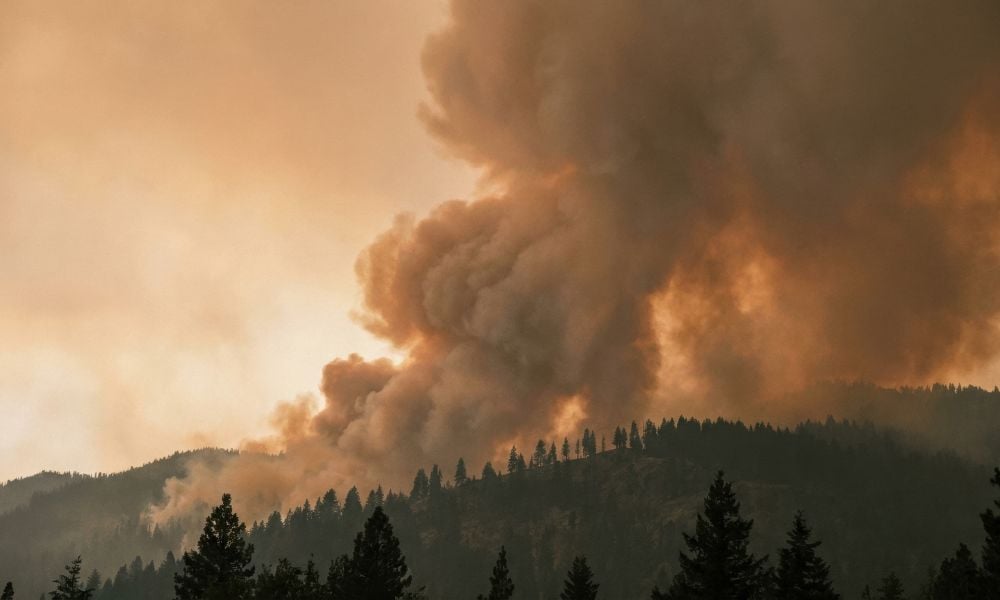

As wildfire seasons become longer and more intense across Canada, construction projects face hazards far beyond the fire line. Smoke travels hundreds of kilometres, impacting urban and rural worksites. Poor air quality disrupts work and heightens occupational health concerns. For construction leaders, engineers and health professionals, wildfire smoke affects material performance, indoor environments and equipment reliability as well as worker health and safety. By understanding these impacts, you can make better decisions about project scheduling, quality control and exposure management.
Wildfire effects on construction materials and building interiors
Smoke particles can settle on exposed construction materials, unfinished building surfaces and mechanical systems. Field and laboratory evidence demonstrate that following wildfire smoke episodes, indoor environments experience an accumulation of particulate matter, polycyclic aromatic hydrocarbons, volatile organic compounds and trace metals.
These pollutants can linger indoors for weeks or months. They settle onto surfaces, which then slowly release them back into the air. Your everyday activities can also stir the settled particles back up.
Smoke contamination can also become a quality-control issue. Dust and soot deposition on surfaces may interfere with coatings, sealants and adhesive bonding if your teams do not properly clean surfaces before installation or finishing.
How wildfire smoke affects workers on construction sites
Wildfire smoke contains a complex mixture of pollutants that can penetrate deep into the lungs. The smoke can contribute to coughing, wheezing, shortness of breath, chest pain and irritation of the eyes, nose and throat. Workers with asthma or chronic obstructive pulmonary disease may experience significant worsening of symptoms.
Wildfire smoke can affect anyone, but outdoor workers are among the groups at higher risk because of prolonged exposure. Because smoke conditions can change rapidly, you must monitor the conditions regularly and often.
On construction sites, exposure is often compounded by physical exertion. Tasks such as concrete finishing, roofing, excavation and material handling may increase breathing rates, which can increase the amount of smoke you inhale. Landscape Ontario recommends adjusting work schedules, reducing strenuous outdoor activities when smoke levels are high and ensuring workers have access to cleaner indoor air during breaks.
Operational impacts on equipment and project delivery
Heavy equipment and temporary power systems may experience increased maintenance demands during smoke events. Fine particulates can clog air filters more quickly and reduce engine performance if you do not inspect filtration systems regularly. While equipment manufacturers provide specific maintenance guidance, wildfire smoke may shorten inspection intervals during prolonged smoke episodes.
The smoke may also impact project delivery. Reduced visibility may interfere with crane operations, surveying and transportation logistics. Smoke-related public health advisories can lead to modified work hours, temporary shutdowns or delays in material deliveries, so incorporating smoke contingencies into project schedules is increasingly common in resilient construction planning.
Strengthening on-site safety protocols
Effective wildfire smoke management begins with preparation. Developing a continuity plan helps minimize the impact of these events on businesses. You can understand potential risks and prepare for them in advance, minimizing the impact of disruptions you may face.
Site protocols may include regular air-quality monitoring, defined action levels for modifying work, access to indoor clean-air spaces and clear procedures for reporting symptoms. It is useful for supervisors to be trained to recognize signs of smoke-related illness and understand when medical evaluation is required.
Occupational health teams can support return-to-work decisions for workers with respiratory conditions. Respiratory protection may be necessary when engineering and administrative controls cannot adequately reduce exposure. Selection and use of respirators should follow provincial occupational health and safety requirements and include fit testing and worker training where required.
A growing risk that requires integrated management
Wildfire smoke is now an occupational health and operational risk that can affect construction projects across Canada, even when fires are far from the worksite. By integrating air-quality monitoring, exposure controls, material protection measures and emergency planning into your project management systems, you can reduce risk and improve resilience during future wildfire seasons.