‘We need punishment that makes them say, “whoa”’
Employers should be held criminally liable for the deaths of workers in the line of duty, according to the family of one worker who died on the job.
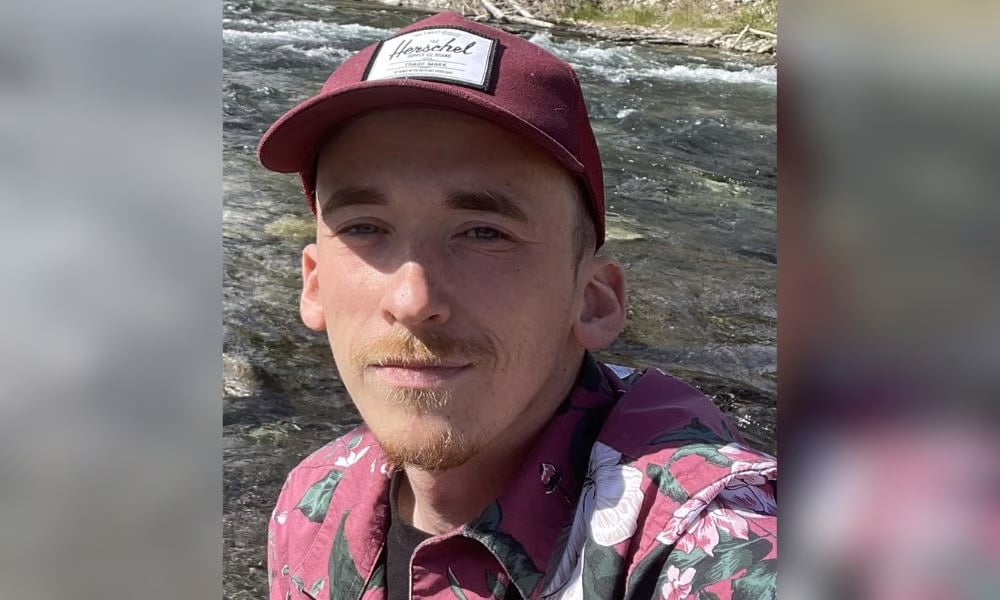
The family of Liam Johnston, a 27-year-old plumbing apprentice who died in a Calgary trench collapse, believes fines are not enough.
“We need punishment that makes them say, whoa. That’s not worth it,” said Johnston’s mother, Kim Ivison, following her son’s death in June 2023, according to a CBC report.
Emily Gofton, Johnston’s partner, is also calling for jail time for those responsible.
“Ideally for me, I would like to see jail time,” she said.
In 2023, Johnston was working on sewer repairs in the Charleswood community of Calgary. While attempting to access a sewer line, Johnston descended into a hole ranging from three to six meters deep. One of the trench walls unexpectedly collapsed, and a large amount of dirt and debris cascaded from the steep slope above, burying him.
Alberta Occupational Health and Safety (OHS) has laid 11 regulatory charges against Johnston’s employer, Mr. Mike’s Plumbing, including “failing to ensure a worker was protected from the collapse of a wall of an excavation” and “failing to ensure protective structures were installed.”
The company is expected to enter a plea today. Calgary police have also referred their investigation to Alberta’s Crown prosecution office, but no criminal charges have been laid at this time.
Johnston was one of approximately 350 Canadians who die each year from traumatic workplace injuries, according to the University of Regina.
Despite the existence of the Westray law—a 2004 amendment to the Criminal Code allowing for criminal prosecution of employers, managers, and executives in cases of workplace deaths—such charges remain rare. According to CBC, the United Steelworkers union claims that the Westray provisions have only been used 30 times in over two decades, resulting in just 11 convictions and only four prison sentences.
Workplace safety consultant Rob Stewart told CBC that the Westray law suffers from a lack of awareness and training among police and investigators. “We still have police constables, in some cases police services, that aren't even aware that this law exists,” Stewart said, highlighting the need for more criminal investigations in workplace fatalities, according to the CBC report.
Former Alberta Crown attorney David Myrol noted that criminal prosecutions require proof of negligence beyond a reasonable doubt, making convictions difficult. “If you have knowledge of a hazardous circumstance at your work site, and you fail to address that hazard in some meaningful way, then you're exposed to criminal liability,” Myrol explained.