
‘Certain areas of the site should be allowed to be open to the public’
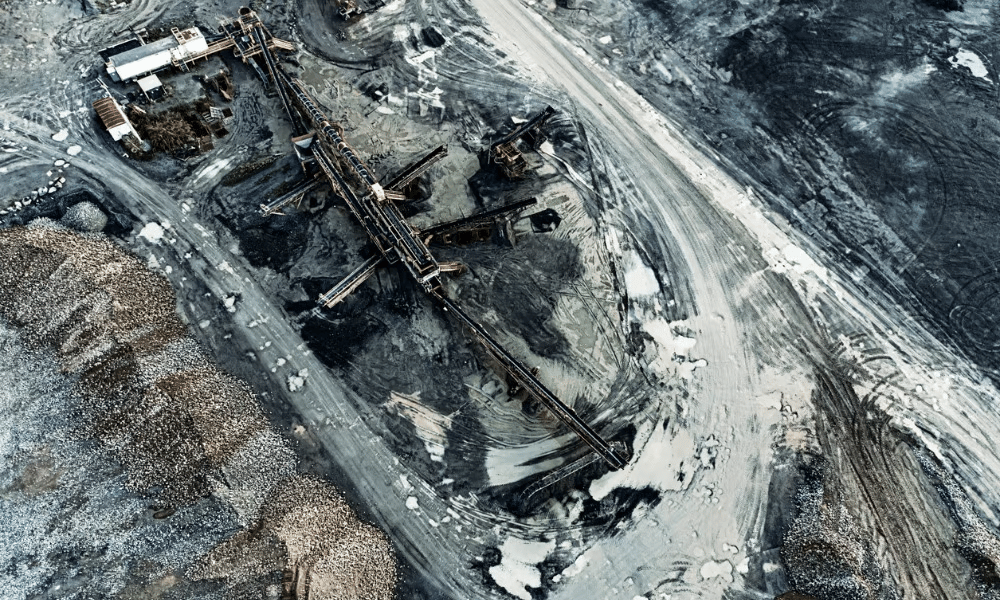
Crews will re-slope piles of asbestos-bearing waste rock at the former Clinton Creek mine in Yukon as remediation begins at a site the federal government counts among the largest and most complex contaminated sites in the North.
The mine left behind 60 to 70 million tonnes of waste rock and 12 million tonnes of asbestos tailings along the Clinton Creek and Wolverine Creek valleys, according to Crown-Indigenous Relations and Northern Affairs Canada (CIRNAC).
Ottawa is carrying out the project with the Tr'ondëk Hwëch'in government at the site, about 100 kilometres northwest of Dawson City, CBC reported. The mine operated from 1968 to 1978 and has been abandoned since. The federal government took control of the site in 2025.
Airborne asbestos fibres are regulated in federally regulated workplaces under a federal occupational exposure limit for airborne asbestos set at 0.1 fibre per cubic centimetre.
Lake lowering and fish passage come first
The current phase focuses on lowering Hudgeon Lake by four metres to reduce the risk of flooding and on building a fish passage through the Clinton Creek Channel, according to CBC. CIRNAC says the lake formed by 1974, when the waste rock pile slid downslope and blocked the valley.
Ryan Martin, engineering manager for Northern Contaminated Sites in the Yukon region, told CBC that drop structures in the channel block fish movement. "There's essentially water drops, waterfalls that are too high for the fish to get through," he said. "So this is not fish habitat on the upstream side of here, but on the downstream side of the current drop structures, there's quite good fish habitat."
Martin said crews will re-slope the waste rock tailings to keep the material from sloughing into the lake, which will also allow fish to swim upstream. Officials were scheduled to begin removing fish from the downstream habitat this week so construction can start next year, he told CBC.
Tailings all that remain of former townsite
When the mine was active, Clinton Creek was a busy town that grew into the Yukon's second-largest community, according to the report. The townsite has since been reclaimed by nature, and the tailing piles of waste rock and asbestos are what remains.
The CBC report did not describe exposure controls, air monitoring or worker protection measures planned for crews at the site. A CSA Group review has previously pointed to gaps in Canada's asbestos management system, including remediation training and competency requirements.
Asbestos exposure is linked to diseases that can take decades to appear, including the cancer mesothelioma and other dangers of asbestos exposure. Federal officials told CBC remediation of the site will take many years, and the overall project is expected to take decades.
Partial public access possible within a decade
Alice McCulley, director of natural resources for the Tr'ondëk Hwëch'in, told CBC that before the mine, the First Nation used the land for trapping and fishing and as a travel route to Alaska. She said she wants the area made safe enough for those uses to return.
"I hesitate to suggest a date, but I think once these more urgent upgrades that we're planning over the next few years are complete, I think certain areas of the site should be allowed to be open to the public, potentially, if things go according to plan," she said.
"And so I would say at least some portions of the area, perhaps in the next five to 10 years, would be open to the public again," McCulley added.