Water technician's near-perfect turnaround follows a coaching-first approach at Whitewater Management LP
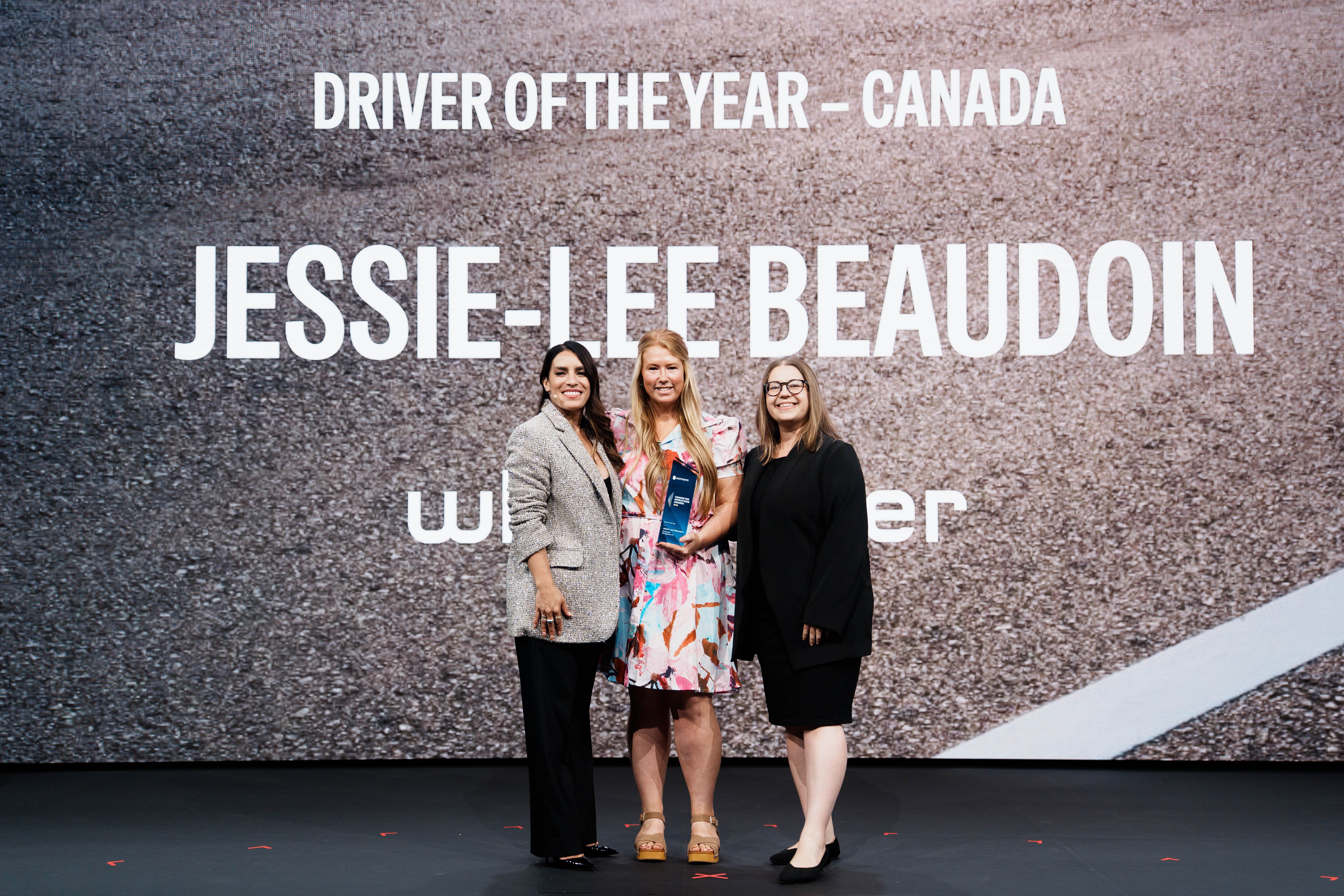
Jessie-Lee Beaudoin, a water technician with Whitewater Management LP in Western Canada, has been named Canada's Driver of the Year in the 2026 Samsara Connected Operations Awards, capping a two-year turnaround built on coaching rather than discipline after her on-road habits triggered concern from her employer.
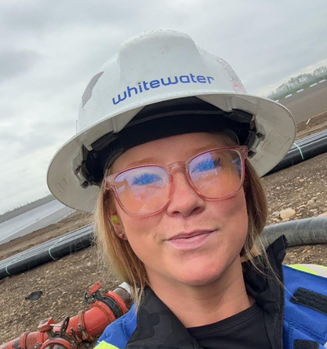
Beaudoin drives regularly as part of her job pumping water to hydraulic fracturing sites, a task that can mean anywhere from a one-hour commute to a four-hour haul before a multi-week stay on site as she provides service to companies in the oil and gas sector.
From distracted to disciplined
Before Whitewater equipped its fleet with Samsara's camera-based monitoring system, Beaudoin's habits behind the wheel included behaviour she now says was avoidable. "I did some texting and driving, and I did some speeding," she said. The system tracks speed and flags drivers who pick up a phone or look away from the road, generating a monthly score that starts at 100 and drops with unsafe behaviour.
Her field manager stepped in after her score fell sharply, once dropping as low as 11 out of 100, according to Samsara and Whitewater's joint award announcement. "He was like, yeah, you have to get your driving score up," Beaudoin said. That conversation marked the turning point. Since then, she said, her score has not dropped below 98, even as her annual mileage nearly tripled.
Coaching over punishment
Whitewater's approach relied on data and repeated check-ins rather than penalties, an evidence-based coaching model that fleet safety programs across Canada are increasingly adopting in place of punitive discipline. "I kind of use the camera as a tool," Beaudoin said. "Since then, I don't even think twice. I use my cruise control, I'm not picking up my phone, even on my days off."
The habits followed her off the clock, too. "When I'm driving my personal vehicle, it's the same thing," she said. "I drive the speed limit. I'm not texting and driving."
A ripple effect across the fleet
Beaudoin's turnaround has had effects beyond her own cab. Her employer's health and safety team accompanied her to the awards ceremony in Las Vegas, she said, and colleagues have taken notice. "It has kind of trickled into the whole company," she said. "I've had people come up and they've been like, how do I get my driving score up?"
The recognition arrives as distracted driving remains among the most preventable causes of workplace vehicle collisions in high-hazard sectors. Beaudoin's work, which also involves high-pressure water lines, diesel pumps and river diversions tied to hydraulic fracturing, carries its own risks beyond the road. "If you're not safe, things could go very, very bad," she said.
Advice for high-hazard industries
Asked what she'd tell health and safety leaders in sectors such as energy, construction, mining and forestry, Beaudoin pointed to worker input as the starting point for building a stronger workplace safety culture from the ground up. "Gain as much feedback as you can from the people that are out there, physically doing the jobs," she said.
She cautioned against complacency for anyone who drives frequently for work, regardless of experience. "Safety never takes a break," she said. "It's always good to be safe."
For Beaudoin, the shift from a slipping score to a national award has become less about the recognition itself and more about a mindset that now follows her off the clock as much as on it.