Ahead of the Women in Safety Summit's Enough Already panel, data shows how deep gender-based violence runs in safety trades
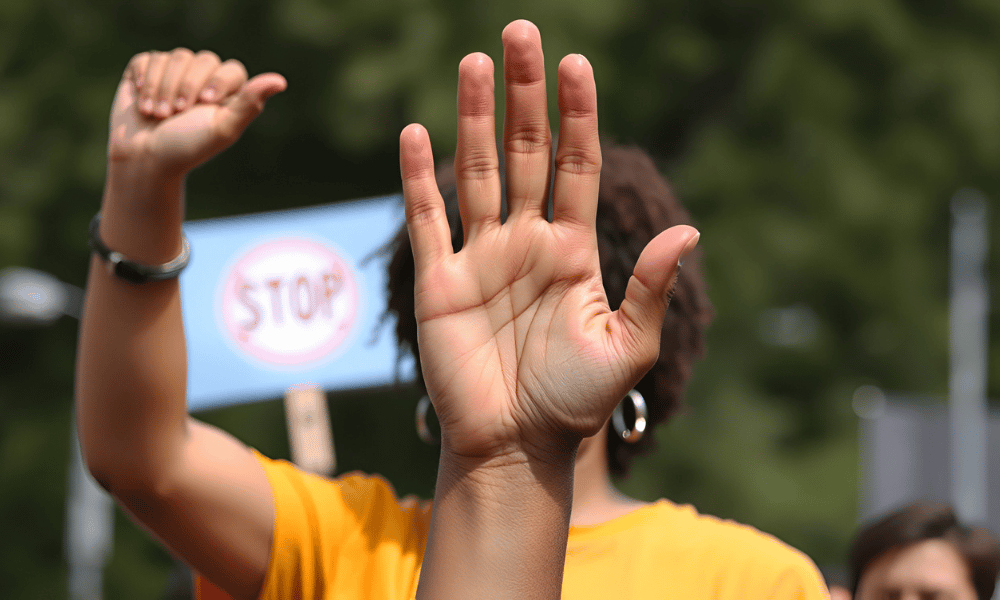
Gender-based violence and harassment in the safety profession is moving from private conversations to the main stage of one of Canada's newest national occupational health and safety events. The Women in Safety Summit Canada 2026, running October 21 in Toronto as part of Canadian Occupational Safety's COS Live, has dedicated an afternoon panel, "Enough Already: Gender-Based Violence and Harassment in the Safety Profession," to harassment on infrastructure projects and in remote work camps, and what accountability looks like once the panel ends and the workday begins again.
The harassment numbers behind the panel's title
The panel's blunt title reflects a problem the data keeps confirming. Nearly half of women in Canada, 47 per cent, have experienced harassment or sexual assault in the workplace at some point in their working lives, compared with 31 per cent of men, according to Statistics Canada's Gender Results Framework data, released in February 2024.
The physically demanding, historically male-dominated corners of the safety profession show a related but distinct gap. Women accounted for 13.6 per cent of construction employment in 2024, well below their 47.2 per cent share of employment across all industries, according to BuildForce Canada. The industry's workforce is growing more diverse, but slowly, and representation on site still lags far behind the broader labour market.
Remote worksites carry a distinct risk
The Enough Already panel's focus on remote work camps points to a hazard well documented outside the safety press. A 2022 report from the House of Commons Standing Committee on the Status of Women found what it called substantial evidence linking resource extraction work camps to gender-based violence against Indigenous women, echoing the National Inquiry into Missing and Murdered Indigenous Women and Girls. The committee's report noted that most companies still handle harassment and violence complaints internally, with no consistent mechanism to track incidents across the industry, and recommended that employers be required to report them.
A conversation the profession keeps returning to
The issue is not new to safety leadership. Writing for the Board of Canadian Registered Safety Professionals in 2022, Stephanie Benay, CRSP, founder of the Women in Occupational Health and Safety Society and this year's Women in Safety Summit keynote speaker, named "the bullying and harassment of women in safety, sexual violence at worksites" among problems that had barely shifted since she entered the field 25 years earlier. Benay's keynote, "Unapologetic: How Women Lead on Their Own Terms," opens the Toronto summit the same day the Enough Already panel closes out the afternoon; our recent preview of the Women in Safety Summit's move to Toronto lays out the rest of the day's programming, from an inclusive personal protective equipment showcase to sessions on psychological health.
Some of the industry's response is already built. BuildForce Canada's Respectful and Inclusive Workplace Toolkit gives employers a policy framework, an implementation guide and a self-assessment tool for exactly the kind of accountability gap the panel is naming. Whether that kind of structure spreads beyond construction, and whether it satisfies what the House of Commons committee asked for, is likely to shape the conversation delegates carry home from a summit now sharing a stage with the Canadian Safety Summit's sessions on psychosocial hazards and legal risk and the three flagship events now unified under this year's COS Live.