Prairie Bus Lines faces prosecution over a propane bus explosion in Alberta that left five workers with serious burns in January 2025
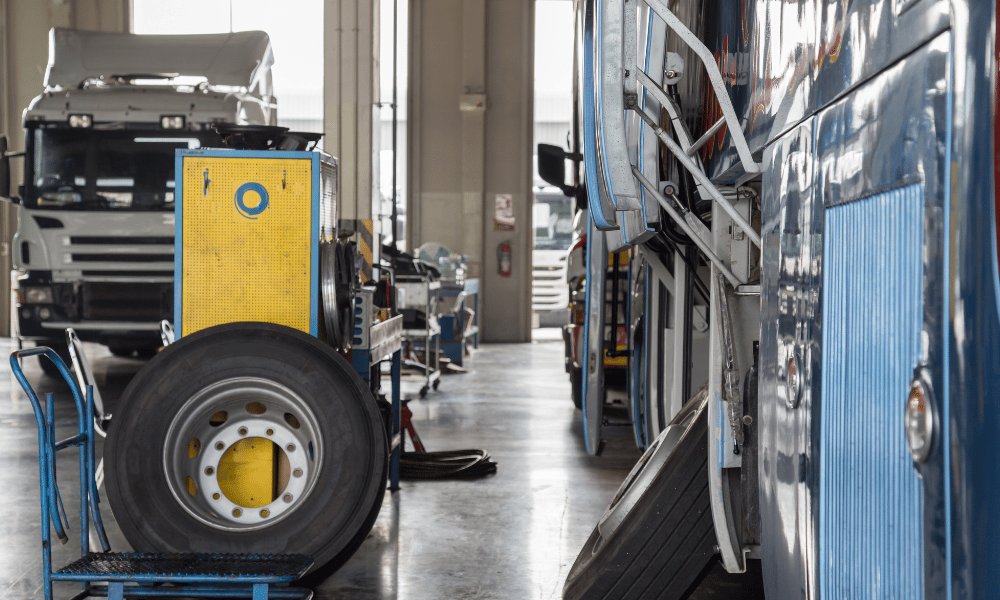
Prairie Bus Lines Ltd., a central Alberta transportation company, is facing 10 charges under Alberta's Occupational Health and Safety Act (OHS Act). The charges relate to a propane bus explosion in Alberta at the company's Red Deer maintenance depot that left five workers with serious burn injuries.
Charges were laid on August 23, 2026. The explosion occurred on January 9, 2025.
What happened in the Red Deer propane bus explosion
The blast originated in the bus maintenance area at 5310 54th Street at around 3:22 p.m. Red Deer Emergency Services and RCMP responded to the scene.
The explosion rattled the surrounding neighbourhood and cut power to nearby buildings, according to a CBC report. Two workers were taken to hospital in critical condition. Two others were in serious but stable condition. A fifth was treated at hospital and released the same day.
Clients and staff from the nearby Safe Harbour Society were among the first on scene. They helped carry injured workers clear of the burning building before paramedics arrived.
What the propane explosion OHS charges allege
A released OHS report lays out 10 separate alleged violations. Together, they describe a series of compounding failures in how propane-powered bus maintenance was managed at the site.
The Roush CleanTech fuel system manual covers the Blue Bird Vision Propane Gen 4 bus. It requires workers to stay at least 35 feet from any ignition source when working with propane. The charges allege Prairie Bus Lines failed to meet that standard.
Investigators also allege the company failed to follow the manual's fuel line purging procedure. That procedure requires relocating the vehicle outdoors and closing the manual shutoff valve before disconnecting the fuel system.
Other alleged violations include:
- Permitting work on the propane fuel system in an indoor location with one or more ignition sources present
- Failing to ensure the mechanic had been trained to access and shut off the fuel shutoff valve
- Failing to conduct a hazard assessment before maintenance work began, as required under Section 7(1) of the OHS Code
- Failing to ensure the manufacturer's fuel system specifications were readily available to workers on site
- Failing to provide five workers with flame-resistant outerwear, as required under Section 232(1) of the OHS Code
Prairie Bus Lines has provided student, charter, and employee transportation across central Alberta for over six decades. The company is scheduled for a first appearance in Red Deer Court of Justice on September 28, 2026.
Why this case matters for transport sector safety officers
The pattern of failures alleged here is not unique to this incident. In 2022, two Alberta workers died in an explosion after hot work was conducted near flammable materials. Our coverage of fines issued to two Alberta employers for those workers' deaths shows similar gaps in training, hazard assessment, and site controls.
The Prairie Bus Lines case also highlights a growing compliance gap. As propane and other alternative-fuel vehicles become more common in Canadian fleets, manufacturer-specific procedures – not general mechanical training – are what OHS enforcement is measured against.
Propane bus maintenance: what Alberta employers must do
For fleet operators and safety officers managing propane-powered vehicles, the charges offer a direct compliance reference. The dos and don’ts below comply with the Alberta Occupational Health and Safety (OHS) Code and incorporate the vehicle safety distance standards of CSA B149.5.
Do:
- Ensure workers are trained on the specific manufacturer's fuel system manual before any propane-related work begins. Keep those training records on site
- Conduct a written hazard assessment before maintenance work starts
- Move propane-powered vehicles to a well-ventilated outdoor area, at least 35 feet from any ignition source, before opening the fuel system
- Ensure all workers exposed to a flash fire hazard wear flame-resistant outerwear
Don't:
- Allow fuel system servicing to proceed indoors where ignition sources cannot be fully eliminated
- Assume workers know emergency shutoff procedures – verify and document that training
- Rely on general mechanical training as a substitute for model-specific fuel system instruction
The Alberta propane bus explosion prosecution is a clear reminder for transport sector employers. Gaps in training records and hazard assessments are exactly where OHS investigators look first.