TSB releases investigation report identifying vessel stability and emergency preparedness issues

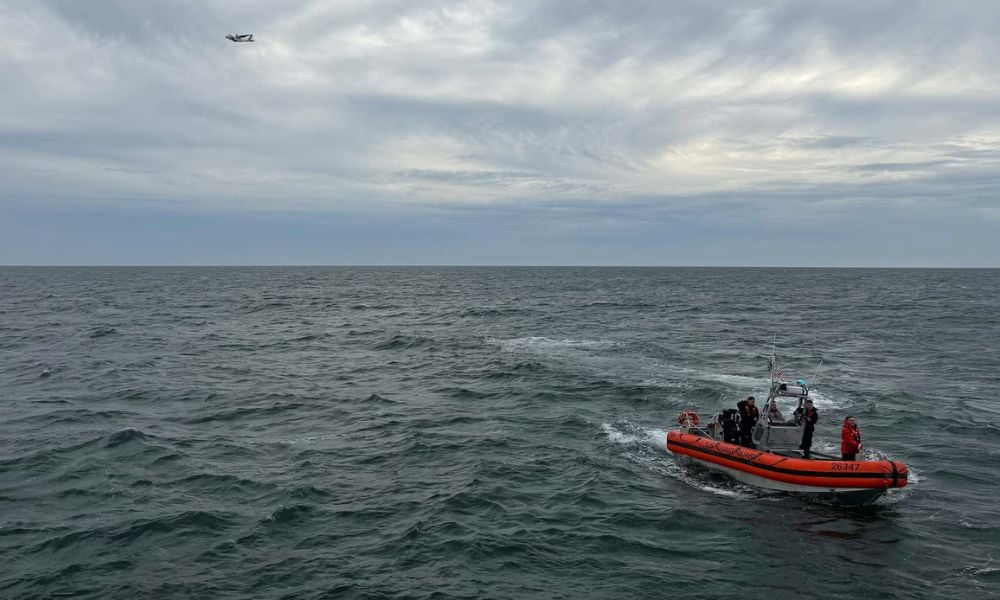
The Transportation Safety Board of Canada (TSB) has released its final report into the sinking of the Silver Condor, a 42-year-old fishing vessel that capsized off the coast of Quebec on September 25, 2023. The incident resulted in the deaths of three of the six people onboard and highlights longstanding weaknesses in the commercial fishing sector’s approach to safety.
The vessel was returning from a redfish harvest when it began listing and sank in deteriorating sea conditions. Investigators concluded that the vessel was operating well beyond its safe stability limits. The crew estimated they had caught and stored 36 tonnes of redfish. This exceeded the 22.68-tonne limit stated in the vessel’s Transport Canada-approved stability booklet by approximately 62 percent.
“The vessel was likely operated beyond its stability limits, reducing its freeboard and its reserve buoyancy, which contributed to its sinking when the sea state degraded,” the TSB reported.
Despite having eight immersion suits onboard, only five were retrieved during the emergency. Two crew members were unable to fully don their suits, and one donned only a life jacket. None of the three survived. The vessel’s life raft, which had a hydrostatic release unit, failed to float free in time to be used during the evacuation.
“The way the life raft was stored likely prevented it from floating freely when the vessel sank by the stern,” the report found.
While the crew conducted annual safety drills, the TSB noted these did not adequately prepare them for a real emergency. The observer onboard had not participated in the drills and was unfamiliar with donning the immersion suit. “If personnel… do not regularly practise responding to emergencies with drills that include realistic scenarios, there is a risk that they will not respond effectively in an actual emergency,” the report warned.
Communication issues further complicated the response. Although a distress call was issued, it was not received. The report could not confirm whether the vessel's digital selective calling (DSC) system was activated. The EPIRB did function as designed, but only after the vessel had already submerged, delaying search and rescue efforts by hours.
Fatigue also played a critical role. The vessel’s master, who had been medically restricted from watchkeeping, was the only person on duty during the night. He had only 18 hours of designated rest during the three days leading up to the sinking. “The master was acutely fatigued, which likely reduced his ability to recognize and respond to the unfolding emergency,” the report stated.
At the time of the occurrence, the vessel’s Transport Canada safety inspection certificate had expired. Nonetheless, the Department of Fisheries and Oceans had issued it an experimental redfish fishing licence just weeks earlier. The report pointed out that the crew’s perception of vessel safety may have been falsely reinforced by the vessel’s certification history, insurance surveys and decades of successful voyages.
The Silver Condor sinking reflects a broader industry issue. Commercial fishing remains on the TSB Watchlist for persistent safety risks. From 2013 to 2023, the TSB investigated 18 occurrences related to compromised stability, resulting in more than 30 fatalities.
Recommendations for safety leaders:
- Ensure stability data is easily accessible and clearly posted onboard.
- Conduct hands-on safety drills under realistic emergency conditions.
- Implement structured fatigue management policies.
- Verify that life-saving equipment is both accessible and properly maintained.
- Review vessel certification and compliance before each voyage.
The Silver Condor tragedy is a stark reminder that compliance alone is not enough. A proactive and informed safety culture is essential to protect the lives of those working at sea.