There is no financial argument left for denying injured workers a fair income replacement rate
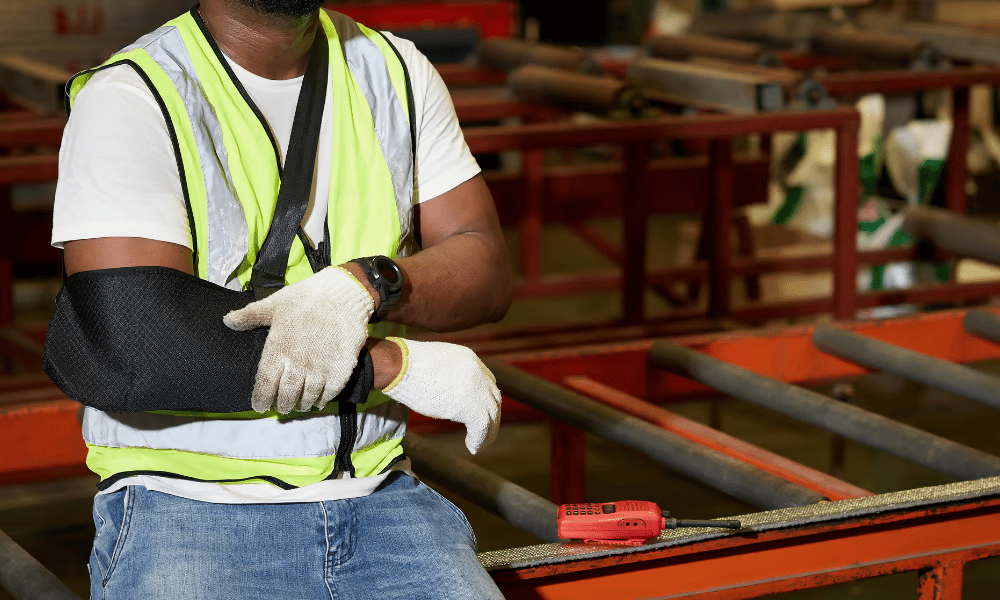
The Newfoundland and Labrador government has tabled legislation boosting the income replacement rate for injured workers — a reform seven years in the making.
Bill 31, An Act to Amend the Workplace Health, Safety and Compensation Act, 2022 No. 2, advanced to second reading on Nov. 5, 2026. If passed, it would raise the IRR from 85% to 90% of a worker’s net pre-injury earnings, effective Dec. 1, 2026.
Of the approximately 8,000 workers who receive wage-loss benefits from WorkplaceNL each year, a worker earning $50,000 annually would receive almost $2,000 more per year; a worker at or above maximum earnings would see more than $2,900. The increase covers short- and long-term wage-loss benefits and dependent benefits when a worker dies from a workplace injury.
The Newfoundland and Labrador Federation of Labour (NLFL) had been calling for 90% of gross earnings — more generous than the 90% of net pre-injury earnings Bill 31 provides. Net earnings are calculated after probable deductions for income tax, CPP and EI, meaning the legislation delivers real but partial progress toward what labour sought.
Stakeholder reaction
Both the NLFL and NAPE — the province’s largest union — applauded the increase, according to NTV.
The NLFL had been pressing for the change for years, pointing to an Injury Fund at 139.5% as of WorkplaceNL’s 2025 Annual Performance Report — well above its target range of 100–120%, with a 110% target.
The federation also frames the IRR as a direct OHS issue.
“When workers are forced to choose between paying their bills and taking the time they need to heal properly, everyone loses: the worker, their family, their employer, and the compensation system itself, which ends up paying for re-injuries and longer claims,” McCormick added.
Financial and regulatory context
For OHS professionals managing return-to-work programs, the reform has practical consequences. WorkplaceNL’s Early and Safe Return to Work program legally requires employers to offer modified duties during recovery — but financial pressure can push workers back before they have healed, increasing re-injury risk. A higher IRR reduces that pressure and helps keep modified-work arrangements in place long enough for workers to recover safely.
The legislation fulfils an outstanding recommendation from the 2019 statutory review. The IRR was cut from 90% in 1993 and climbed back incrementally to 85% in 2018. Employer assessment rates are unaffected and drop 4% to $1.66 per $100 of payroll in 2027. Provincial Government Increasing Income Replacement Rate to Better Support Workers with a Workplace Injury or Illness +2
Minister Lloyd Parrott put it plainly: “Workers should be able to focus on getting better, not on how they will make ends meet.” WorkplaceNL CEO Elizabeth Lane added the change means “greater financial support at a time when workers need to focus on their health and recovery.” Bill 31 follows a year of expanding WorkplaceNL protections, including a new policy compensating workers for psychological injuries caused by workplace harassment — covered in COS’s reporting on WorkplaceNL’s expanded psychological injury compensation.