Safety manager Taylor Zuffa details Colony's shift to leading-edge fall protection and Type 2 hard hats
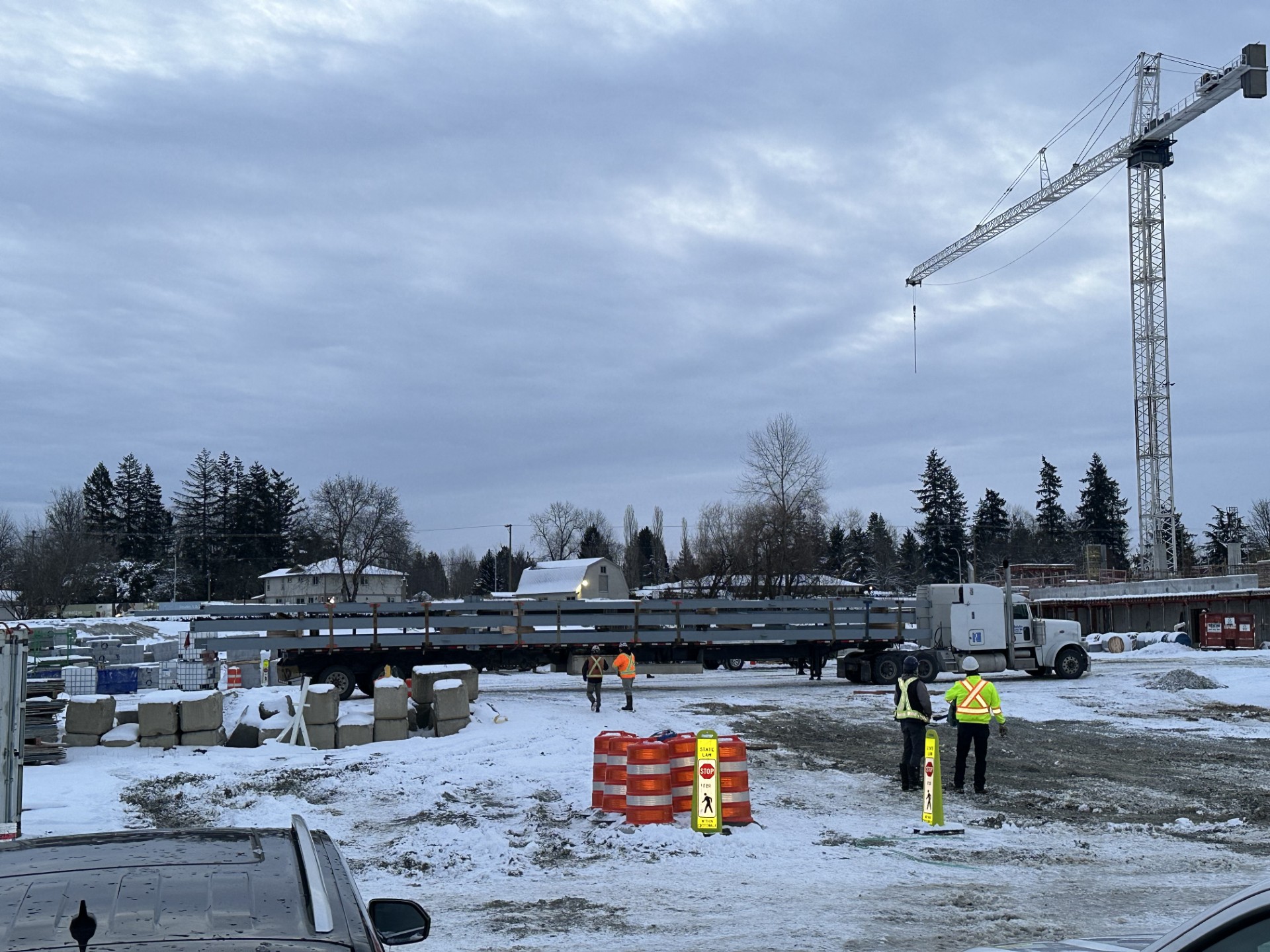
Colony Construction is rebuilding its personal protective equipment (PPE) program from the ground up as the steel erection contractor ramps up its field workforce for a wave of mining industry projects in Ontario. Taylor Zuffa, process and safety manager at Colony Construction, said the company is buying new fall protection gear, moving its site workforce to Type 2 hard hats, and tightening how it verifies that PPE purchases carry genuine Canadian Standards Association (CSA) certification rather than marketing claims that a product simply meets the standard.
Fall protection tops Colony's new PPE list
Colony's current work is concentrated on steel erection for mining facilities in Ontario, including mineral processing plants and heavy equipment shops for mining clients, Zuffa said. The company is scaling from a small crew back up to an estimated 50 to 150 new field workers over the next couple of years, after a stretch focused on construction management rather than self-perform work. Rather than recertifying old equipment, Colony decided to replace its PPE inventory from scratch.
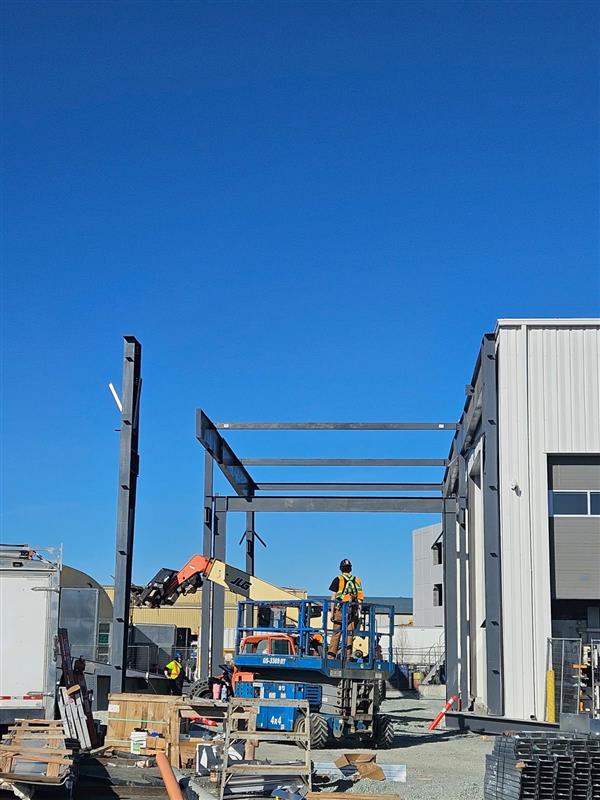
"The biggest ones, and probably the most important ones for us, would be self-retracting lanyards, specifically leading-edge self-retracting lanyards," Zuffa said. "Almost all the work that we do, you'll be exiting the basket at upwards of 200 feet, and you'll be working at the leading edge. Getting an appropriate leading-edge self-retracting lanyard is very, very critical to the safety of the guys on site."
Manufacturers have built out a specialized testing protocol for leading-edge self-retracting lifelines to confirm the lifeline survives a fall over a sharp edge. Colony is also standardizing 100 per cent tie-off equipment and, on its Ontario sites, adjustable restraint lanyards that let workers set the exact length needed for lift work.
Type 2 hard hats bring pushback, then acceptance
Colony is moving its site workforce to Type 2 hard hats with integrated chin straps, following a guideline issued a few months prior. On its British Columbia sites, the company had previously used hard hat clips rather than chin straps under WorkSafeBC requirements; company-wide, everyone is now moving to the integrated strap.
"People generally dislike change," Zuffa said. "But it really becomes one of those things after about the first three days of using it, no one even brings it up again. It just becomes second nature." He compared the shift to the introduction of fall protection standards decades earlier, predicting resistance will fade within about five years.
Colony's approach to reducing complaints is investing in higher-quality chin straps and applying the requirement uniformly, from field workers up to its own executives, Zuffa said. "No one walks around just because they're not working at heights without a chin strap. Everyone has their chin strap ... it's just the standard now."
The gap between 'meets the standard' and certified
The transition to Type 2 helmets exposed a procurement risk Zuffa said safety leaders need to watch for. While reviewing harnesses online for an upcoming site visit, he found listings claiming the products were approved by the American National Standards Institute (ANSI) and the U.S. Occupational Safety and Health Administration (OSHA), and stated they met CSA standards, without carrying the actual CSA certification mark. Claudio Dente, president of Dentec Safety Specialists Inc., raised similar certification and procurement concerns in a recent interview with Canadian Occupational Safety, warning that uncertified products are entering the Canadian market carrying self-declared claims.
"It says it's ANSI approved and OSHA approved, and all it said was it meets the CSA standards, but it's not CSA certified," Zuffa said. "Even if it meets them, it's not allowed to be used, and that is very tricky in this day and age."
Colony now leans on preferred, vetted suppliers to manage that risk, though every shipment is still inspected on arrival. His advice to other safety leaders: do the homework before a purchase is made. "It might just take that extra bit of time. Look into it, and worst comes to worst, you can always call the company and ask," Zuffa said. He also recommends checking every worker's hard hat at site entry as new Type 2 requirements roll out, rather than discovering a gap after an incident.
Digital inspections and AI free up time for safety work
Colony has moved its safety and quality documentation to an all-digital format, including digital PPE inspections that flag defects by email to Zuffa and the site superintendent in real time. The company also uses a business account with the AI chatbot ChatGPT for administrative tasks such as data entry, and to help interpret engineering drawings and navigate regulations on jobs outside Canada.
"A lot of those data-entry-heavy tasks that could take eight hours to do now don't take those eight hours, freeing up time for more critical, more important work, more time to think, more time to plan," Zuffa said. "And that just all leads to safer sites at the end of the day."
That reliance carries its own risk if it replaces rather than supports a worker's judgment. In a recent Canadian Occupational Safety opinion piece, EHS writer Abiola Ayodele warned of exactly that overreliance on AI tools in safety roles. Asked about fit across a diverse crew, Zuffa said Colony has not run into major issues with its fall protection gear; harnesses that once topped out around 310 pounds are increasingly rated up to 400 pounds, a shift he credited to newer materials.
For now, Zuffa said the overhaul is mostly a matter of enthusiasm, comparing the process of outfitting crews with new lanyards and harnesses to buying a new car. Colony is sticking with established brands such as MSA and 3M as it grows its field workforce over the next two years.