Sealant on the threads ‘could result in normal torque readings’ even when actual torque fell short, says board
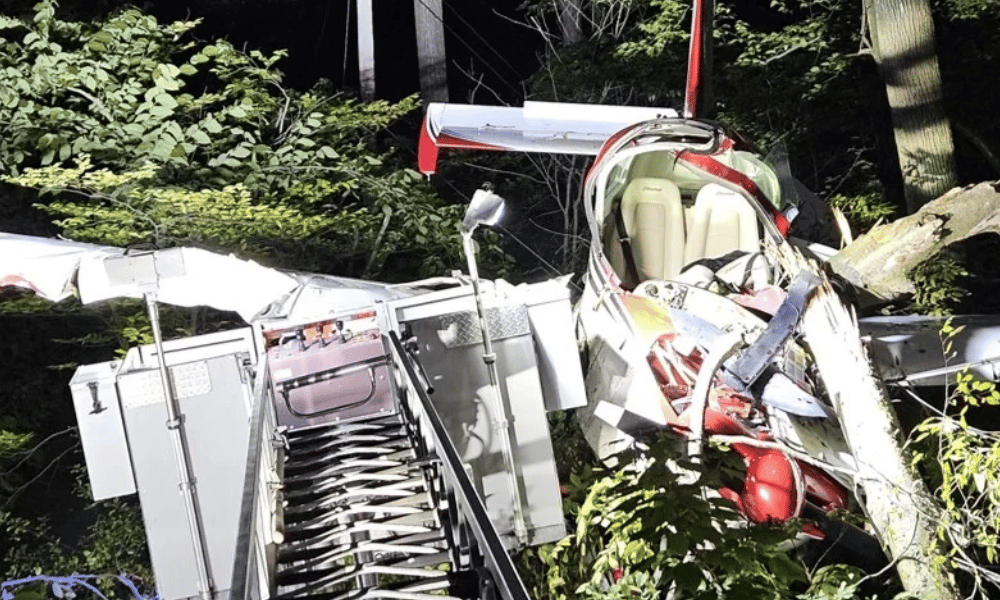
Improperly applied sealant likely caused the engine failure behind a fatal small-plane crash in Ottawa, the Transportation Safety Board of Canada (TSB) said in an Oct. 23 report that also found maintenance records inaccurately showed modifications complete.
The pilot of a private Grumman AA-5A died and two passengers were slightly injured when it struck trees about 960 metres short of a runway at Ottawa/Macdonald-Cartier International Airport on July 31, 2025.
"Adherence to an aircraft manufacturer's maintenance procedures and service instructions ensures continued airworthiness; deviations from them jeopardize safety," the Board said, urging maintenance engineers unsure of procedures to consult the manufacturer.
Sealant outside approved areas
In February 2024, maintainers split the crankcase for a high-compression conversion under one supplemental type certificate (STC); a second STC covered reinstallation. The engine ran about 32.8 hours afterward.
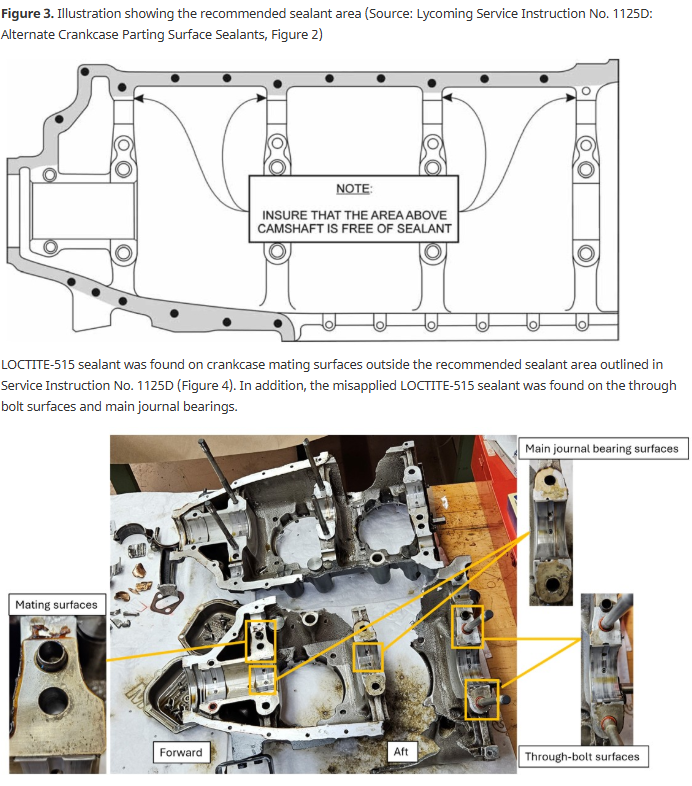
Investigators found LOCTITE-515 sealant beyond the area allowed by Lycoming Service Instruction 1125D, including on through-bolt threads and main journal bearings. The instruction states: "No build-up is permissible for this application."
Sealant on the threads "could result in normal torque readings" even when actual torque fell short, the TSB said. The lost clamping force likely caused the No. 3 connecting rod to fail, fracturing the camshaft.
Modification records inaccurate
Records, including a Transport Canada form, showed both STCs complete, but investigators found they "had not been completed according to specifications."
A required supplementary data plate was never installed, and the tachometer red line sat near 2,750 rpm, not the approved 2,650. Maintenance lapses also featured in a 2023 Chartright Air incident linked to maintenance.
A placard likely left from the original engine allowed automotive gasoline, though the aircraft had been fuelled with AVGAS. The TSB flagged fuel handling in its earlier report on drum fuelling risks at Bella Bella.
Pilot likely misread failure
At 5:48 p.m., the cowling opened and oil sprayed the windshield. No PAN PAN or MAYDAY call was made.
The pilot's continued handling of the controls and delayed radio call "indicate that he likely believed he was dealing with a partial malfunction," the TSB said. No runway was reachable even with immediate action.
It could not be determined whether the pilot completed emergency checklists, an issue also examined after checklist non-compliance in a fatal Yukon crash.
Regulator flags guidance gaps
Transport Canada's July 16, 2026, safety alert said SI 1125D "does not adequately warn of the risks" of misplaced sealant.
It referred owners to the updated SI 1125E, recommending they fix any discrepancies before further operation.
It also reminded the sector to file Service Difficulty Reports under Part V, subpart 21 of the Canadian Aviation Regulations.