

Workplace Safety North launching new Accelerated Mining Supervisor Common Core this spring
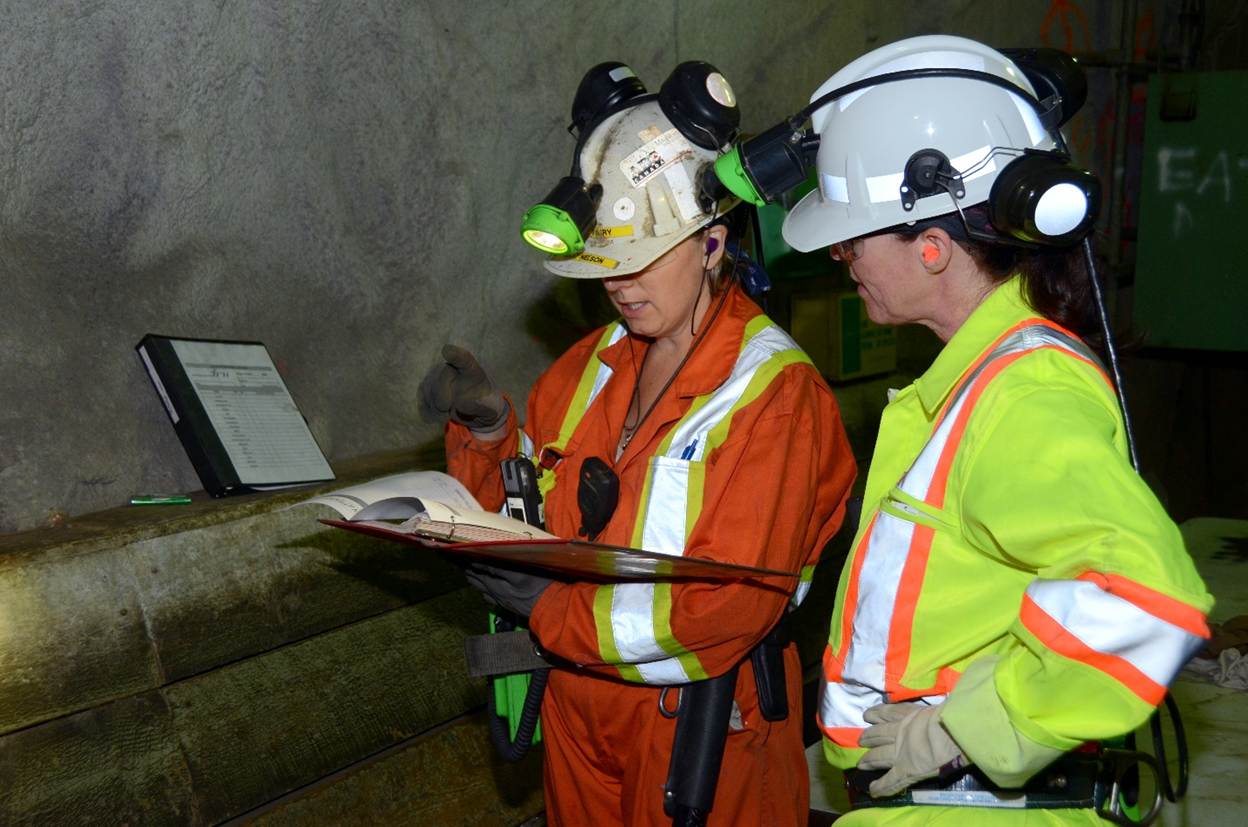
For Ontario’s mining sector, getting front-line supervisors out of production and into legislated training has long been a scheduling challenge. A new “Accelerated” pathway from Workplace Safety North (WSN) aims to shorten that time away from site while maintaining the depth of learning required under provincial standards.
Meeting legislated requirements with less time off site
The Accelerated Mining Supervisor Common Core, set to launch in May, condenses training that could previously span up to 12–14 days into a single five‑day block for some programs. It is designed to meet all requirements of the Ministry of Labour, Immigration, Training and Skills Development (MLITSD) Modular Training Standard for supervisors in underground hard rock, underground soft rock and surface operations.
“The Accelerated pathway…allows mining supervisors to complete required training more quickly,” says Cindy Schiewek, Executive Director of Health and Safety Services at WSN. She describes the program as a response to “industry demand for more flexible training options” at a time when many operations are struggling to release key personnel for extended periods.
Eliminating repetition while preserving safety outcomes
Schiewek emphasizes that the change is not about cutting corners, but about eliminating duplication baked into the long‑standing “Classic” delivery model. Because Classic modules were often taken à la carte, instructors had to build in repeated foundational content for learners who might only attend one or two segments. “There was a lot of repetition depending on what you decided to enroll in the classic pathway,” she explains.
By restructuring the curriculum as a single, integrated Accelerated course, WSN has been able to streamline that overlap while still covering each required skill area and its practical demonstration. The goal, Schiewek says, is to “address all the skills that we need to address” and still align with the MLITSD outcomes‑based standard, which specifies what supervisors must be able to do but not how the training must be delivered.
Quality assurance is a central part of the redesign. Schiewek notes that, because the provincial modular standard does not prescribe delivery methods, organizations can see very different results depending on whether they use internal trainers or external providers. WSN, as the designated health and safety association for Ontario mining, “prides itself on quality” and sees both pathways to bring greater consistency to how supervisory competence is built and verified.
The new offering is also intended to be more than a classroom experience. WSN is pairing the Accelerated pathway with optional consulting and coaching services. Under its Coaching for Performance program, experienced staff who have themselves been mining supervisors accompany participants at their sites to observe, mentor and validate application of key skills. They “go in the field and verify that skills application, provide coaching, provide mentoring, and ensure that the self‑efficacy component’s there,” Schiewek says.
Classic pathway, refresher training and what comes next
For supervisors or employers who want more time on particular risk areas, WSN will continue to offer the Classic pathway as a deeper, modular option. “The Classic pathway can be taken on its own or alongside the Accelerated pathway,” Schiewek notes. Participants who complete the Accelerated course can later return for standalone Classic modules, such as WSN’s two‑day ground control course, if they want to “dive deeper into a focus area.”
Both the Accelerated and Classic pathways meet all MLITSD requirements and are delivered to the same internal quality standards for content and instruction. Training will be scheduled regularly in Sudbury, Timmins and Thunder Bay, with employers able to book on‑site sessions if that better suits their operations.
Recognizing the need to keep existing supervisors current, WSN is also introducing free online refresher training this summer for those who have already completed a WSN Common Core program. The refresher, available until March 31, 2027, is intended to help supervisors stay abreast of legislative updates and evolving workplace safety practices.
For health and safety leaders grappling with tight labour markets and complex risk profiles, the combination of shorter time in class, optional field coaching and ongoing refresher training may offer a more practical route to keeping supervisors both compliant and capable.