TSB finds critical detectors 'cannot differentiate between oil mist, water vapour, or smoke'
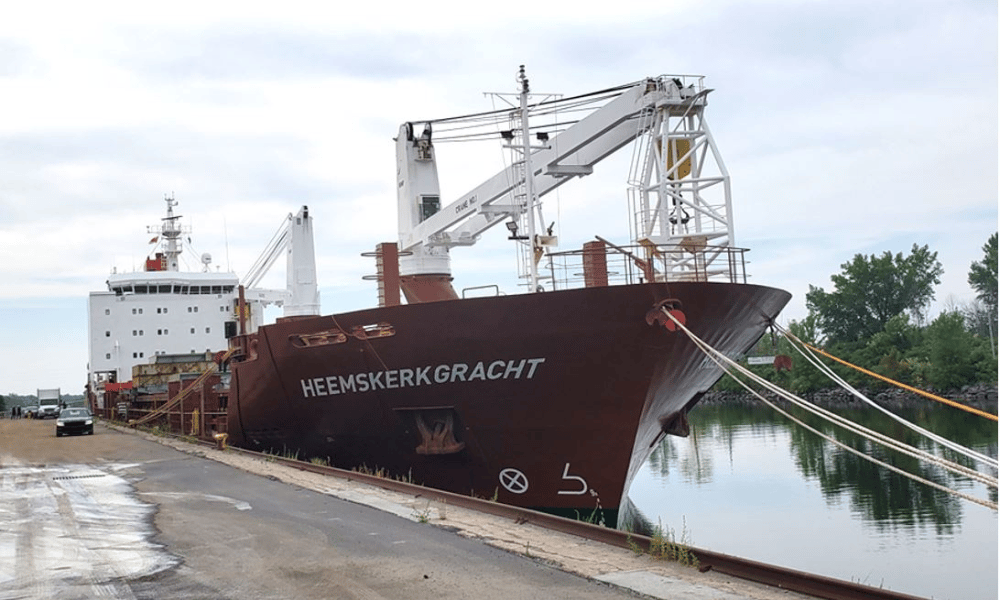
On August 22, 2024, the general cargo vessel Heemskerkgracht ran aground in the South Shore Canal of the St. Lawrence Seaway off Kahnawake, Quebec, after a sudden loss of propulsion. According to the Transportation Safety Board of Canada (TSB), “the main engine shut down due to the activation of a false alarm on the oil mist detector (OMD).” The vessel was anchored while awaiting assistance and was later refloated and towed to the Port of Côte-Sainte-Catherine. Fortunately, there were no injuries or pollution, but the vessel sustained minor hull damage.
The hidden risk of safety technology
Oil mist detectors are designed to prevent catastrophic engine failures by shutting down the engine if oil mist is detected. However, the TSB report notes a critical limitation: “These detectors cannot differentiate between oil mist, water vapour, or smoke, which can trigger false alarms.” In this case, a maintenance oversight played a key role. During scheduled maintenance, the OMD measuring head was replaced with a different model that required an external power source for its heater—unlike the original, which was self-powered. As a result, “the heater was left unpowered, leaving the measuring head vulnerable to false alarms caused by water vapour.” The investigation found that water vapour buildup triggered the false alarm, causing the automatic engine shutdown and subsequent grounding.
Actionable insights for safety leaders
The Heemskerkgracht incident highlights the importance of understanding and maintaining safety-critical technology. The TSB report underscores that “following the occurrence, the vessel operator replaced the OMD measuring head with a unit matching the original model.” The new head was installed according to the manufacturer’s instructions and was properly calibrated and tested. For health and safety leaders, this case demonstrates the need for rigorous oversight of equipment changes, thorough documentation, and regular verification that safety systems are fully functional. The TSB’s investigation serves as a reminder: even well-intentioned safety devices can introduce new risks if not properly managed.