
Kaleb Dahlgren delivers the opening keynote at the Canadian Safety Summit on October 22
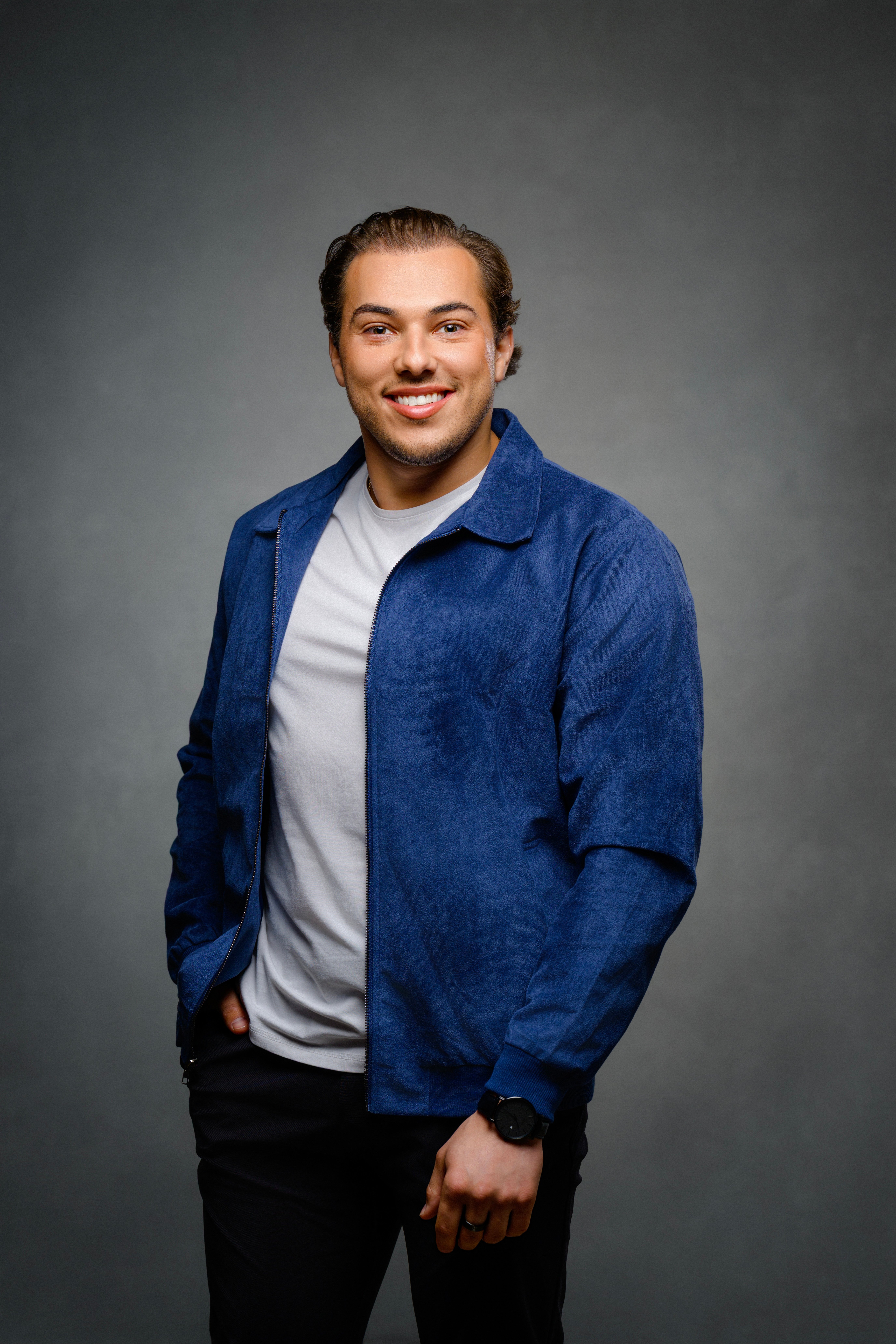
When Dr. Kaleb Dahlgren steps on stage at the Canadian Safety Summit on October 22, he will be drawing on a story most Canadians already know. Dahlgren, a survivor of the 2018 Humboldt Broncos bus crash, opens the summit with a 9 a.m. keynote that he says is less about the tragedy itself and more about what came after it, both for him and for the 12 other survivors he calls his surrogate family.
Dahlgren, a Toronto-based sports specialist chiropractor and international keynote speaker, spoke with Canadian Occupational Safety ahead of his address.
Sixteen lives lost, a long road back
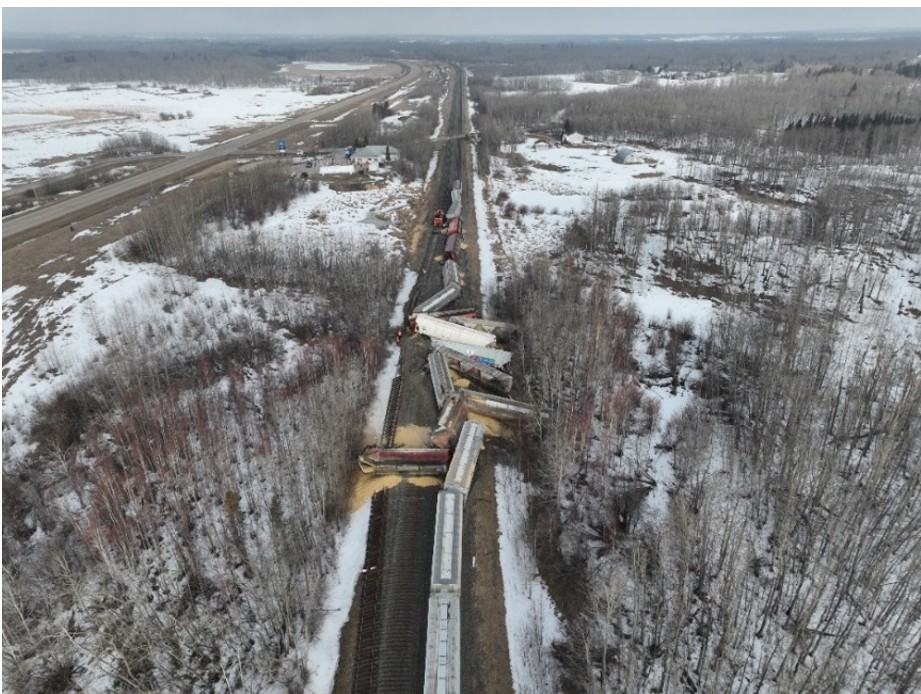
Dahlgren, then a 21-year-old forward with the Humboldt Broncos, was one of 13 people who survived when a transport truck collided with the team's bus at a rural Saskatchewan intersection on April 6, 2018. Sixteen people died in the crash.
He described the physical toll of the collision in blunt detail: a fractured skull, a puncture to the skull, skeletal degloving, four broken vertebrae in his neck and four in his back, blood clots in his left arm and right eardrum, and a moderate to severe traumatic brain injury.
After the crash, Dahlgren said he built a holistic recovery routine around physiotherapy, chiropractic care, massage therapy, nutrition and a minimum of 12 hours of sleep a night, while cutting out alcohol and drugs entirely. Four months later, against his doctors' advice, he enrolled at York University in Toronto on an athletic and academic scholarship. He was never cleared to return to contact hockey, but described the philosophy that carried him through recovery in a single line.
"The biggest thing for me was getting one per cent better each day," he said. "That was the goal, and I still try to do that every day."
That discipline led Dahlgren to a career he did not expect: international speaking engagements, a number one bestselling memoir titled Crossroads, and a practice as a sports specialist chiropractor working with Olympic and National Hockey League athletes.
Post-traumatic growth and the microresilience message
Dahlgren said his keynote at the Canadian Safety Summit, the opening event of COS Live 2026, is built around two ideas he wants safety professionals to take back to their workplaces.
"The message I'm hoping to bring to the summit is that the people in that room are super beneficial in helping assist lives and saving lives," he said. "There is another side to the story too, from the survivor's aspect, where people can still thrive after, and that there are success stories out there too. So it's resilience and the human side of safety."
The first idea is post-traumatic growth, a framework in psychological literature describing the positive change that can follow major adversity. The second, which Dahlgren has also explored in a TEDx talk, is what he calls microresilience: building the capacity to handle small daily setbacks so the "muscle" is already developed before a major crisis hits.
"You can build microresilience in if a person cuts you off in traffic. You can build it if you get a bad email from your boss," he said. "That's where resilience is built, so when the big stuff happens, you already have the muscle to use."
What Dahlgren wants safety leaders to take away
For health and safety leaders weighing whether to attend, Dahlgren's advice was direct.
"I would just say, come on out and learn something new," he said. "I think that the best thing you can do is be tool-oriented: use today, not tomorrow, not the next day. Use today."
He closed the interview with a message aimed squarely at the audience he will address on October 22.
"I'm really grateful for their support in all aspects of life, and their work doesn't go unnoticed," he said. "It's what keeps our world safe, and keeps other people safe too."
Dahlgren's address opens a lineup that spans the full agenda for the Canadian Safety Summit 2026, including sessions on risk-based safety, artificial intelligence on the operational edge and the legal realities of workplace investigations. The summit runs alongside the Women in Safety Summit Canada program in Toronto on October 21, with both events forming COS Live 2026 at the Automotive Building, Exhibition Place.
His focus on resilience and the human side of safety also touches a wider conversation in the profession about the psychosocial risks safety leaders increasingly have to navigate, as mental health moves further into the core of occupational health and safety practice.
Registration for the Canadian Safety Summit is open now, with individual passes available for the Canadian Safety Summit, the Women in Safety Summit Canada, or a combined COS Live pass covering both days.