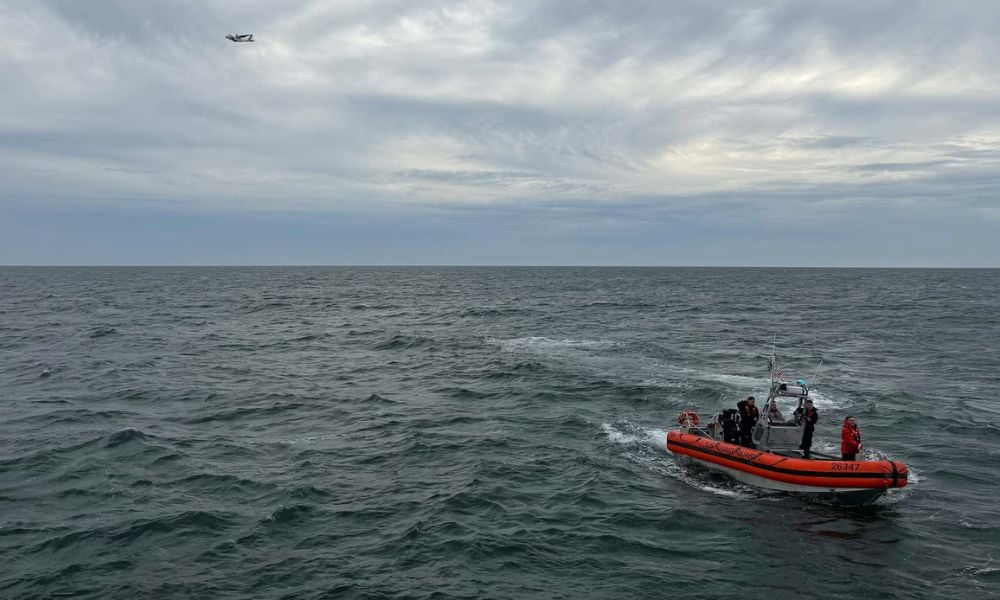

Crew-12 astronauts had been instructed to shelter in spacecraft after oxygen leaks detected
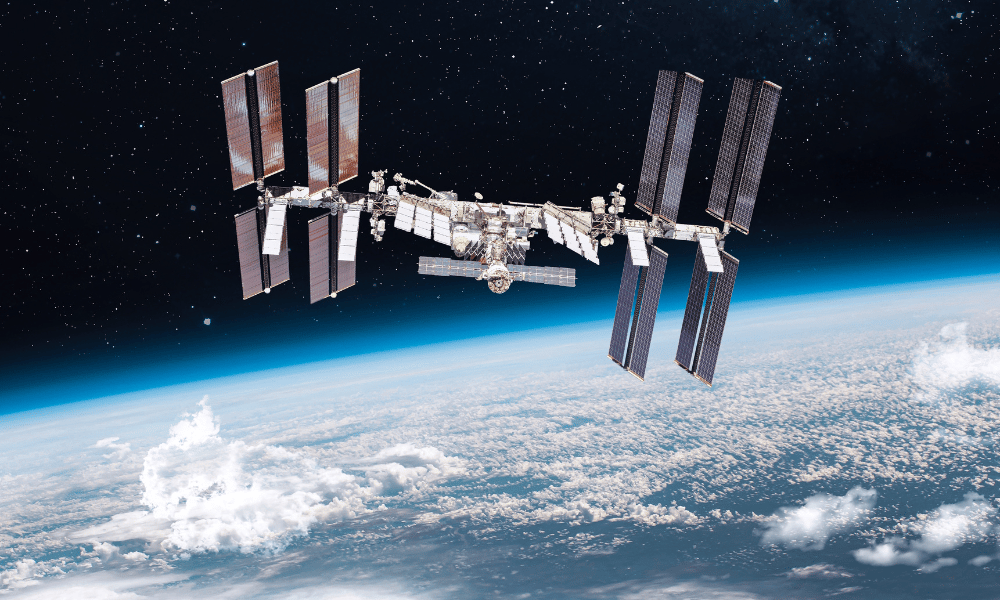
NASA has lifted its evacuation alert for astronauts aboard the International Space Station after Russia's space agency moved to address two oxygen leaks detected on its portion of the orbital laboratory.
NASA spokesperson Bethany Stevens said the agency had instructed astronauts "to end safe haven procedures" and return to planned operations aboard the ISS, after Roscosmos paused its structural repair efforts, according to Reuters.
Roscosmos said ISS experts had detected two oxygen leaks but that there was no immediate threat to the crew, according to Interfax as reported by Reuters. The first leak was quickly sealed, and preparations were underway to seal the second.
‘Abundance of caution’ on ISS
The alert had been triggered earlier Friday when NASA ordered astronauts to enter their docked SpaceX Crew Dragon spacecraft and don their spacesuits in case an emergency evacuation became necessary, according to both CBC and Reuters. That directive came at 9:04 a.m. ET.
"Out of an abundance of caution, NASA has directed all four of the agency's SpaceX Crew-12 members and NASA astronaut Chris Williams to assume an elevated safety posture in the Dragon spacecraft while the repair is underway," Stevens said.
"We continue to work with our Russian counterparts, along with the rest of the international community that supports the space station, to arrive at a more permanent resolution."
Seven astronauts on International Space Station
The Crew-12 mission — the 12th crew rotation mission of SpaceX's human space transportation system — consists of NASA astronauts Jessica Meir and Jack Hathaway, who serve as spacecraft commander and pilot respectively, ESA astronaut Sophie Adenot of France, and Roscosmos cosmonaut Andrey Fedyaev, both serving as mission specialists, according to Reuters. A fifth NASA astronaut, Chris Williams, was also among those directed to shelter in the Crew Dragon, Stevens confirmed, as reported by both outlets.
There are currently seven astronauts living and working on the ISS, from Russia, the United States and France, according to Reuters.
The leaks are located in the Russian Zvezda service module, a key structural component of the football field-sized laboratory, according to both CBC and Reuters. NASA and Roscosmos have debated for months over the cause of and potential fixes for small air losses there.
"The cracks have always been a concern that NASA watches very closely," Stevens said.
While the leaks had remained relatively minor in recent months, the rate escalated sharply on Monday, doubling from one pound of air per day to two, according to a senior NASA official who asked not to be named, as reported by both outlets.