

Siemens Canada cuts emissions across factories and offices while also improving working conditions
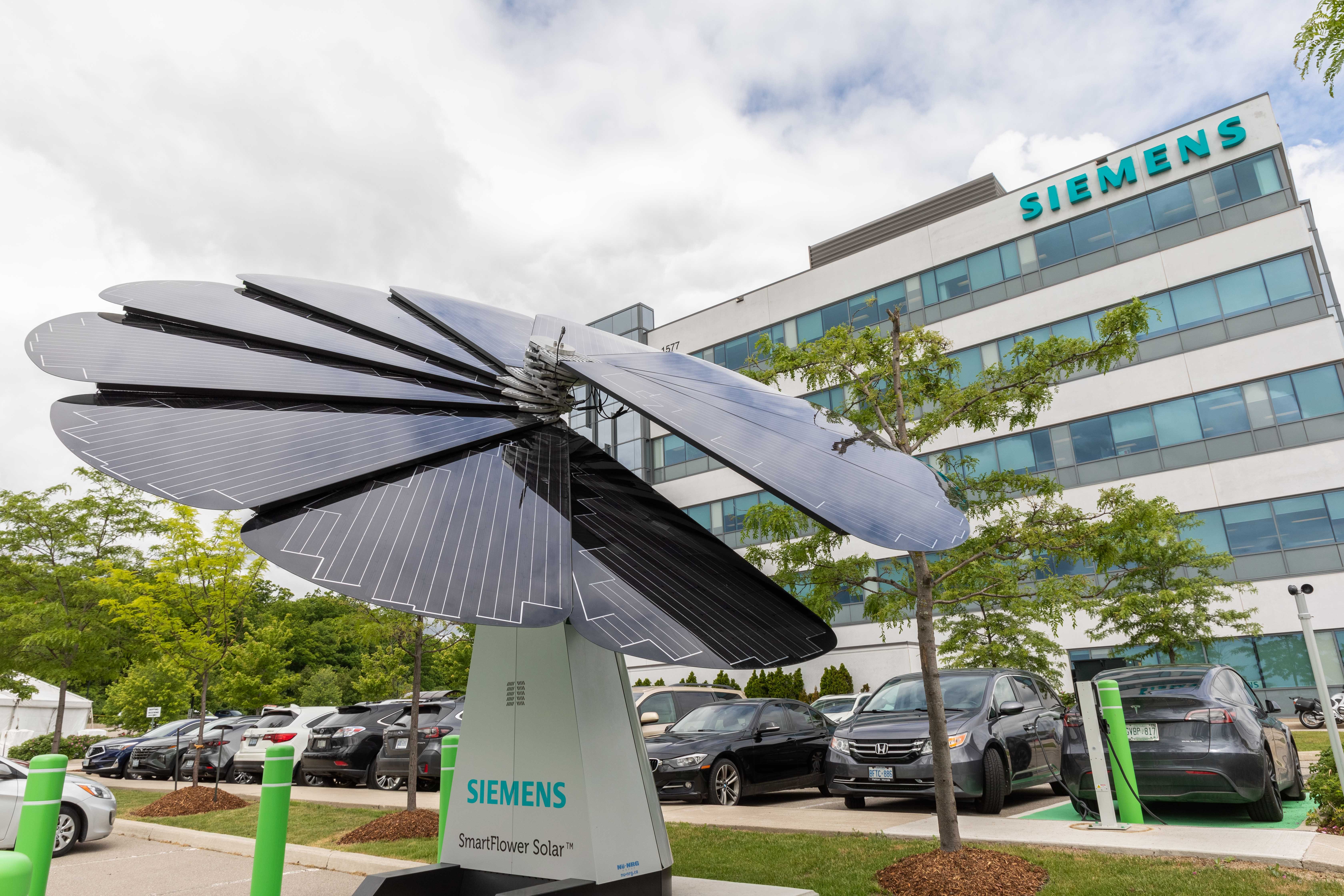
Siemens Canada is accelerating a series of decarbonization projects that it says are cutting emissions, tightening energy efficiency and making workplaces more comfortable for employees, from factories in Quebec to a “living lab” headquarters in Oakville, Ont.
Siemens bets on smart, low‑carbon buildings
The initiatives are part of a global strategy that commits Siemens to net‑zero emissions by 2030 for its scope 1 and scope 2 aspects of its business and net‑zero emissions in scope 3 by 2050, under a broader “DEGREE” sustainability framework covering decarbonization, ethics, governance, resource efficiency and circularity, equity and employability. For health and safety leaders, the company’s experience highlights how climate goals can align with worker well‑being, regulatory readiness and long‑term competitiveness.
Amy Geisberger, head of sustainability for Siemens Canada, says the organization has treated sustainability as core to its identity for years. “It’s been a part of our DNA for a very long time,” she says, noting Siemens was among the early industrial firms to set a net‑zero target, beginning its journey in 2015.
On track for 2030 net‑zero operations
Siemens’ net‑zero 2030 goal for scope 1 and 2 emissions covers what it burns on site and in its vehicle fleet, with “a major focus on physical decarbonization wherever possible and trying not to rely so much on carbon offsets,” Geisberger explains.
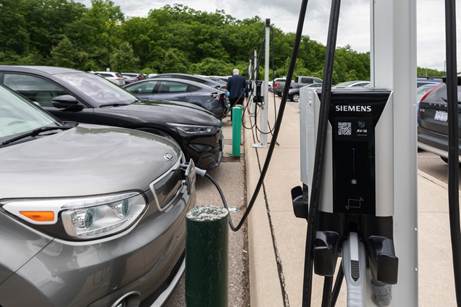
“So in fiscal year 2025, we were at 66% reduction from our baseline,” she says. “Our baseline is financial year 2019. So we are doing really well there.” To hit the 2030 target, Siemens Canada is switching much of its fleet to EVs where feasible and rolling out building decarbonization and energy‑efficiency projects across its facilities.
Scope 3 emissions—those in the supply chain and customer use phase—are slated for net‑zero by 2050, a more distant horizon reflecting the company’s more limited direct control over those sources.
Deep retrofit in Drummondville, with safety co‑benefits
One of Siemens Canada’s flagship projects is at its Drummondville, Que., factory, which produces electrical panels. Working with its Smart Infrastructure Buildings Sustainability team, Siemens is undertaking a turnkey decarbonization program with the goal of making the facility net‑zero by summer 2027.
The program includes a building automation system, energy monitoring, lighting retrofits and deeper measures like heat pumps and electric boilers to replace natural gas systems. Geisberger acknowledges the practical hurdles, saying, “you’ve got to look at, can the roof structure support these new units?” and navigate electrical upgrades with Hydro‑Québec, but says the long‑term payoff is clear in energy performance and operating costs.
Geisberger also highlights the co‑benefits of these initiatives on worker health and safety. “When we do these projects, there’s also a lot of co-benefits… often having more air changes per hour, better ventilation, better cooling, better lighting,” Geisberger says. “And so it’s better for the occupants, right?”
Oakville headquarters as a ‘living lab’
At Siemens’ Canadian headquarters in Oakville, Ontario, the company is using its own technology to create what it calls a “living lab” for sustainability. A smart‑sensor and LED retrofit at the site has helped save roughly 75 per cent of lighting energy since installation, with over half of the savings coming from IoT devices. By retrofitting existing fixture housings rather than replacing them outright, Siemens also diverted about 16,000 pounds of steel from the waste stream.
The Oakville building also uses Siemens’ own digital platforms: Desigo CC for building automation and Building X, a suite of apps that aggregates data across systems for sustainability, energy, fire and security management.
“Say you have a meeting at 10 a.m., well, that room doesn’t need to be heated or cooled until there’s actually a meeting in that room,” Geisberger says. “When you go into that room, it’s quite comfortable based off of the amount of people in that meeting.”
Low‑disruption wins and advice to safety leaders
Not every project requires major capital upgrades. At the University of Toronto Scarborough campus, Siemens’ team focused on optimizing the existing building automation system, an “existing building commissioning project” that adjusted set points and fine‑tuned how equipment ran in an occupied building. The result: more than 1,000 tonnes of CO₂ emissions saved annually, plus significant natural gas and cost savings, without a disruptive deep retrofit.
For health and safety leaders who now find ESG and sustainability added to their remit, Geisberger’s message is to move from planning to implementation. “I would say just get started,” she says. “We spend a lot of time around strategy and trying to get all the way to net zero in one project… but perfect sometimes is the enemy of the good.”
“Climate change is happening,” she adds, pointing to grid constraints, rising gas prices and growing expectations from shareholders, employees and regulators. For executives who remain skeptical, she suggests emphasizing business and people outcomes: better indoor environments, talent attraction, compliance with emerging disclosure rules and evidence that “a sustainably run organization typically performs better” in the market.
“Maybe you don’t believe in it,” Geisberger says of climate action, “but the general public does… if you want to be competitive” you still need to move in that direction.
This article is part of our Monthly Spotlight series, which in April focuses on environment, sustainability & ESG.