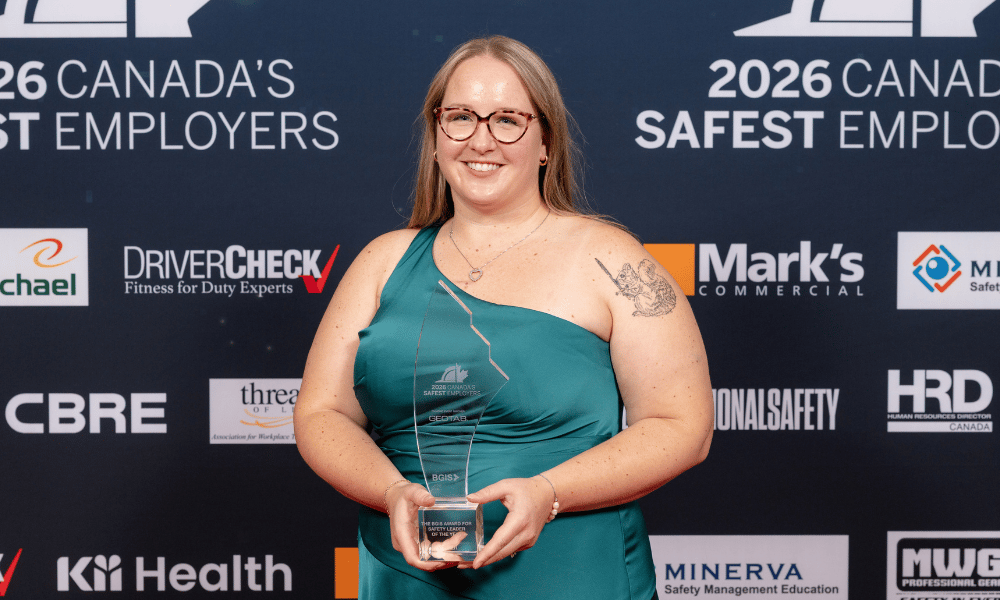
Bothwell-Accurate nears its 100th year with a woman leading safety with empathy
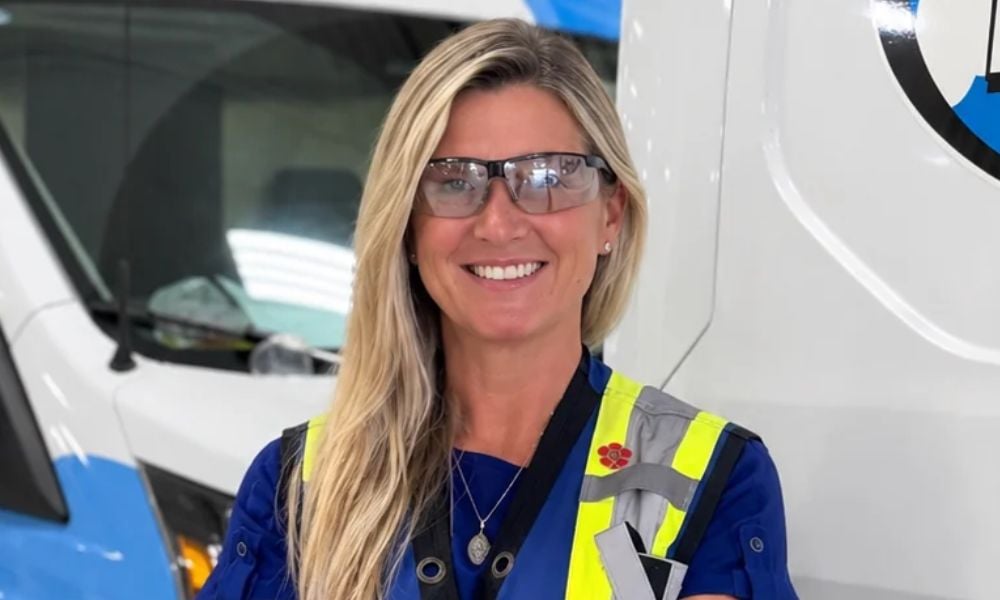
Loni Snook is Director of Health and Safety at Bothwell-Accurate Co. Inc., a Mississauga, Ontario, building-envelope contractor marking nearly 100 years in business. She does not open a safety conversation with a lecture. "You're the expert here. You're the one that does the job. You're the one that has a family to go home to," she says. "So tell me what it is that you need so that we can make it happen." That approach, built over 13 years in occupational health and safety (OHS), traces back to a day when Snook was about 10 years old and her father broke his spine in a workplace fall.
A path shaped early
Snook studied Human Kinetics and Recreation at university, then moved to Calgary, Alberta, to work in oil and gas, before the Hebron offshore project in Newfoundland and Labrador brought her to ExxonMobil's facilities team. "Oil and gas treats safety pretty big," she says. "In attending some of their health and safety seminars, I grew a keen interest in some of the concepts." She went back to college to make it a career. Snook holds the National Construction Safety Officer (NCSO) designation — a credential many safety professionals use to build site credibility — and Gold Seal Certification (GSC). She says she only connected her career choice to her own family's history once she was back in school.
"My dad was actually injured when I was young," she says. He was locking up a job site when he slipped on a set of concrete steps and broke his spine. "Over the next number of years, multiple surgeries, our family just functioned," Snook says. "We didn't sit back and think there was any sort of victim mentality about it. It was, there's a problem and we have to pull together and come up with a solution." Her mother went to work; her father, confined to a hospital bed at home in a rigid back brace for six months, helped where he could.
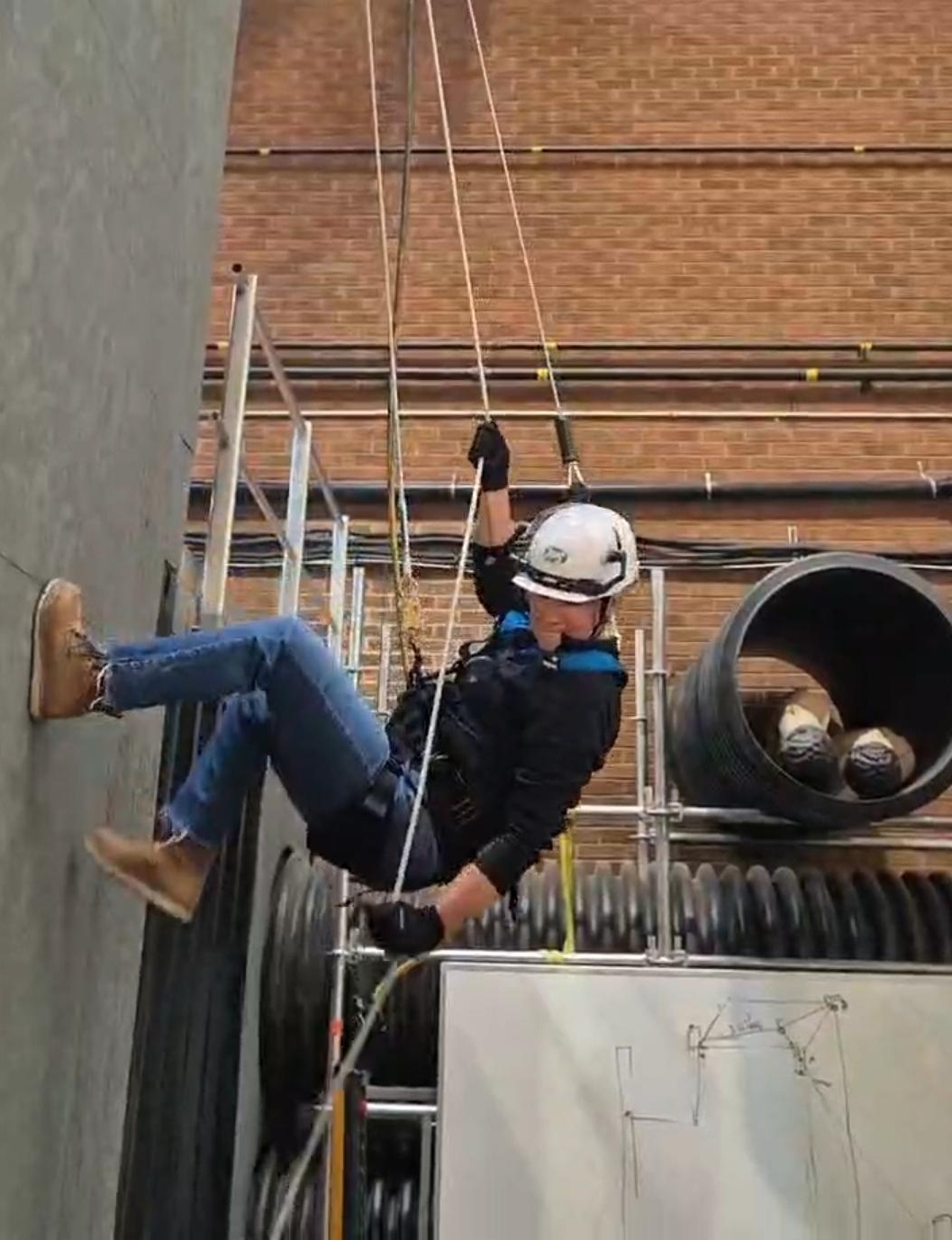
(Snook on rope access gear, rappelling a building exterior)
Multiple physicians told him he would never work again. "He said, 'yeah, watch me,'" Snook says. He never returned to paid work, but recovered enough to walk over the next three decades, and found purpose volunteering in his community. Snook didn't grasp the weight of what her family went through until she was working in safety herself and had to make injury-notification calls of her own, learning "to do it from a lens of knowing exactly what that phone call looked like for the next coming days and months and through recovery."
Treating workers as the experts
That history shapes how Snook talks to crews today. "Imagine that phone call being made to their wife," she says. "What does it look like when you've lost an eye? Now you can't see your daughter walk down the aisle." She uses it carefully: "Those are the guilt trip sides of it that I don't like to dive directly into, but in the right moment, having a heart-to-heart conversation, being able to approach it in a discussion manner rather than in a lecture."
Making the case in dollars and culture
Asked whether it's easy to win C-suite buy-in for new safety spending, Snook says: "Not necessarily. Everybody walks into the room knowing it has to be done, and the conversations are more about feeling good about making the decision. So if you're able to present the data for the ROI, it's a lot easier to get people to buy in." She breaks the pitch into direct costs, hidden costs and cultural impact — the kind of data-driven business case for safety investment more OHS leaders are building to win support upstairs.
Earning a seat, then paying it forward
Bothwell-Accurate was founded in 1927, nearly a century before a woman took over its top safety role. Asked how safety leadership at a company like this has changed over that time, Snook says: "Oh my goodness, from nonexistent — I'm sure that was the industry standard — to there's definitely an embracing of it now." She says she was never negatively affected by her own gender. "Inexperience and young, green people, men or women, coming into the industry are going to be looked at with some skepticism, and I think that's just the nature of the beast." Her advice to women entering a male-dominated field: arrive with confidence, backed by fact rather than opinion. "If you're moving forward with a good amount of empathy and a lot less ego, then you tend to get some buy-in." Women remain underrepresented in Canada's construction sector, per a 2026 Ontario Construction Association Alliance report — a backdrop that gives Snook's advice added weight against the persistent culture gaps facing women in the trades.
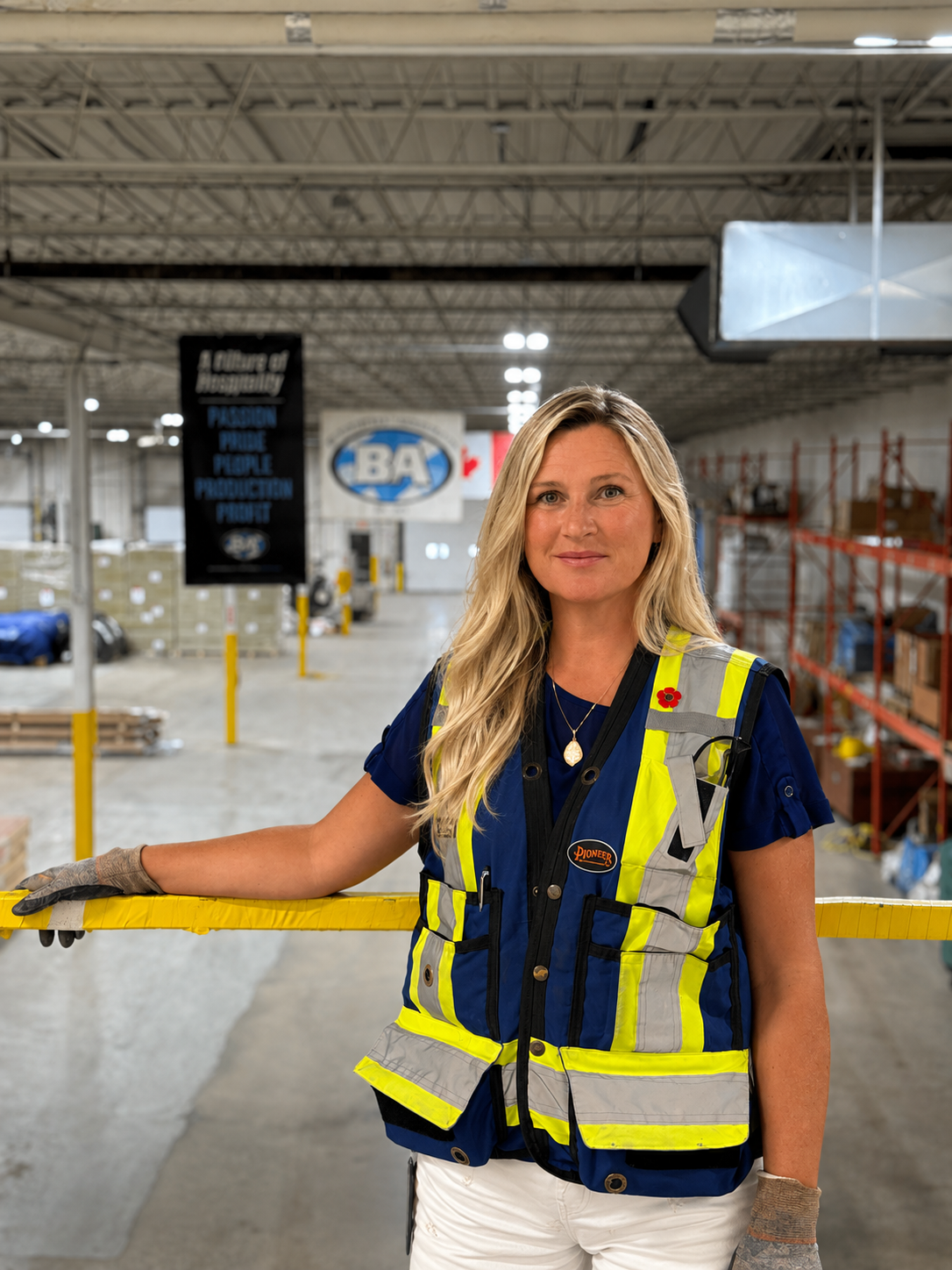
(Snook in PPE inside the Bothwell-Accurate warehouse)
Snook also took time to credit the men who mentored her: "While I firmly believe success is not dictated by gender, but rather through establishing credibility, demonstrating competence, and earning respect, I have an enormous sense of gratitude for the men who worked alongside me as I established that credibility."
For the next generation, Snook says the most useful thing she can offer is the difference between coaching and mentoring. "I could tell people how to do things my way, that worked for me, but they're a different human and they're going to have a different approach to it." Her advice: build self-assurance, know which teams fit, and make your contributions visible. Asked where her career goes from here, she points to mastery over title: "It's just to be good at what you do. I would have gotten nowhere in this career had I not taken the time to hear and understand things that were said around me."