
'Meeting regulatory requirements ensures only a minimum level of safety,' reminds TSB

A Transportation Safety Board (TSB) investigation into a fire aboard the scallop fishing vessel Fundy Leader has revealed safety shortcomings in material choices and inspection access—issues with implications for vessel operators and safety professionals across multiple industries.
Fire sparked by cracked exhaust silencer
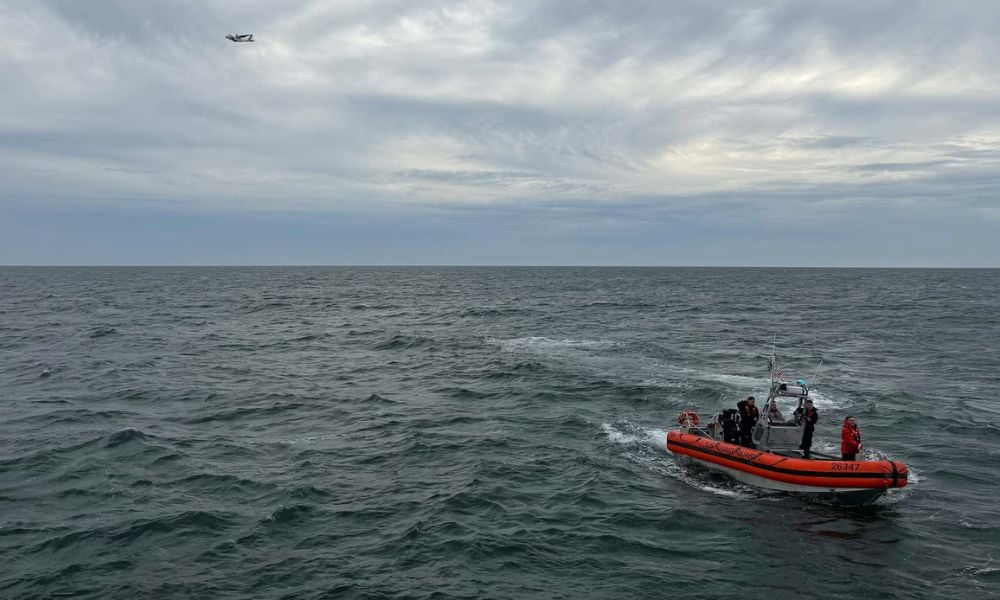
On the night of December 6, 2024, the Fundy Leader was operating about 100 nautical miles southwest of Cape Sable, Nova Scotia, when crew members noticed smoke. The fire was traced to a crack in the main engine’s exhaust silencer, which allowed hot gases to escape and heat a nearby steel bulkhead. That bulkhead, located just 10 cm from the silencer, ignited the wooden framing behind a wall in the accommodations area.
The TSB report states:
“The bulkhead absorbed the heat and conducted it into the concealed space behind the wall panelling, igniting the wooden structural components.”
The fire was eventually brought under control using portable extinguishers, hoses, and the vessel’s fixed suppression system, although it reignited later that night. No injuries were reported.
Regulatory compliance but elevated risk
Although the vessel met all regulatory requirements under the Large Fishing Vessel Inspection Regulations—including the use of low flame-spread materials—the report points out that combustible structural materials like wood are still permitted behind flame-retardant surfaces.
“Meeting regulatory requirements ensures only a minimum level of safety,” the TSB emphasized. “Even though regulations permit structures around exhaust trunking... to be constructed of combustible materials, vessel builders and owners must consider whether this is safe for their vessel.”
Inspections also failed to detect the crack in the exhaust silencer. The component was wrapped in thermal lagging that could not be removed without damage, limiting visibility. During its most recent inspection, no external signs of failure were present.
Safety takeaways for industry leaders
The TSB warns that even compliant systems can contain hidden hazards. Vessel design and maintenance strategies must go beyond minimum codes to consider the practical realities of wear, heat exposure, and emergency response.
Among its key safety messages:
“Vessel exhaust pipes and silencers may pose a fire hazard in the event they sustain cracks or other failures. It is important that vessel owners and masters ensure these pipes and silencers are inspected and maintained regularly, and that vessel builders design exhaust trunking and lagging to facilitate access.”
Following the fire, the vessel owner made several safety upgrades:
- Replaced wooden framing with metal near exhaust systems
- Installed removable insulation to allow better inspection access
- Substituted fiberglass-handled fire axes for the wooden ones that broke during the emergency
- Introduced regular infrared temperature checks on exhaust systems
For health and safety leaders, the incident reinforces the value of proactive hazard identification, risk-based design, and practical emergency preparedness—even when systems meet code. Hidden weaknesses in materials and access can magnify risks, particularly in high-heat, enclosed environments.