
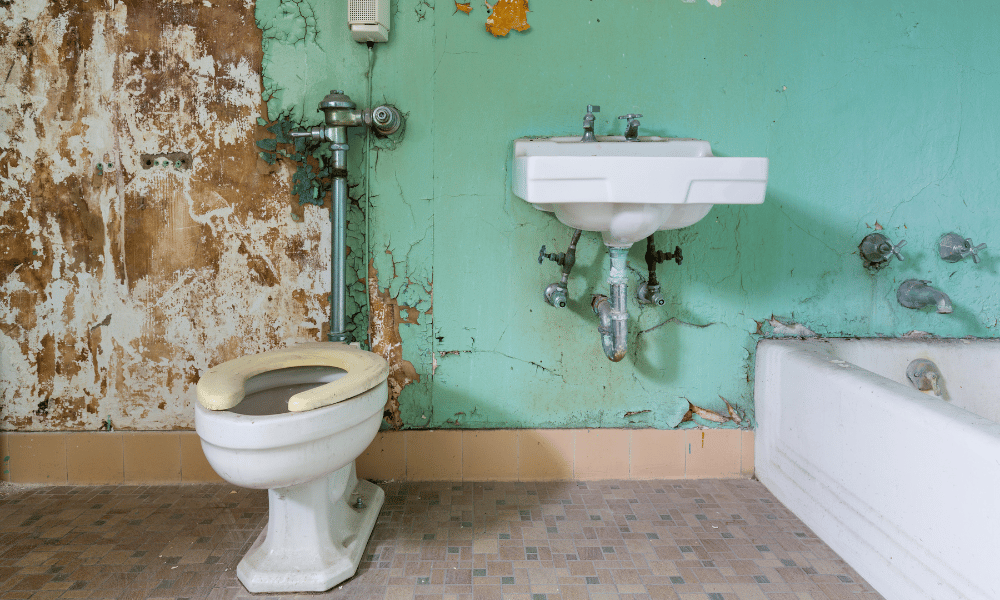
A new Bradley Company survey finds cluttered, understocked washrooms are costing businesses returning customers
Washroom hygiene is back under the microscope as summer travel pushes more people through public facilities, according to Bradley Company's Healthy Handwashing Survey, released July 22, 2026. It is the second release this year from Bradley's 17th annual survey series: Canadian Occupational Safety reported on the winter wave of findings, tied to flu season, in February. This instalment turns to a different pressure point: whether washrooms are clean and stocked enough to keep customers coming back.
Cleanliness now shapes the customer experience
The numbers point to a direct line between washroom conditions and business outcomes. Bradley's survey found 86 per cent of respondents expect the quality of a business's washrooms to reflect the quality of its goods and services, and 68 per cent said they are more likely to return to a business with a clean, well-maintained washroom.
Jon Dommisse, vice-president of strategy and business development at Bradley Company, told Canadian Occupational Safety the effect holds even when everything else about a visit goes well. "If they have a bad public bathroom experience, even if they love the food at the restaurant, even if they love the clothing at the store, they will definitely think twice before going back there," Dommisse said. The finding tracks with why consistent workplace hygiene standards support a broader safety culture, where facility conditions shape impressions well beyond their immediate function.
Touchless fixtures, and old habits, still define the washroom experience
Dommisse said 77 per cent of the public now wants touchless fixtures installed in public washrooms, a figure that has climbed steadily since the pandemic. "That is the expectation. They don't really want to touch anything in the bathroom," he said, adding the demand holds across retail, restaurants, airports, and schools alike. He also pointed to a pattern that has held for all 17 years of the survey: women consistently report better handwashing habits than men. That trend, along with the touchless-fixture data, builds on earlier coverage of Bradley's handwashing survey and its touch-free technology findings.
A basic supply routine still trips up businesses
Behind many negative experiences sits a simpler operational gap: empty dispensers. Dommisse said 77 per cent of respondents have witnessed someone leave a washroom without washing their hands, usually because soap, paper towels, or toilet paper had run out. He said a consistent restocking regimen matters more than any single upgrade, and described the lengths some people go to avoid touching anything at all, from bumping doors open with a hip to using a paper towel to operate a lever tap.
The public health case for consistency is straightforward. "Handwashing, using soap and warm water, is one of the simplest and most effective ways to reduce the spread of disease," said Brian M. Forster, a microbiologist and chemical hygiene officer at Saint Joseph's University, in Bradley's survey release. That guidance lines up with practical steps Canadian Occupational Safety has outlined for implementing hygiene and sanitization measures at work.
Bradley's data reflects American respondents, including a specific finding that 67 per cent wash their hands more often while travelling, but the underlying pressures, higher summer travel volume, lingering illness concerns, and post-pandemic demand for touch-free design, are shared by Canadian facility and safety managers overseeing washrooms in workplaces, retail locations, and other visitor-facing sites.
Dommisse said the takeaway isn't seasonal. "It seems that to really provide an exceptional customer experience, which is number one in the minds of almost every business today, having clean, hygienic public bathrooms is a very important part of really delivering that exceptional customer experience," he said.