

Calgary-based connected safety technology company names Jon Baldwin CEO as Cody Slater moves into board chair and chief architect roles
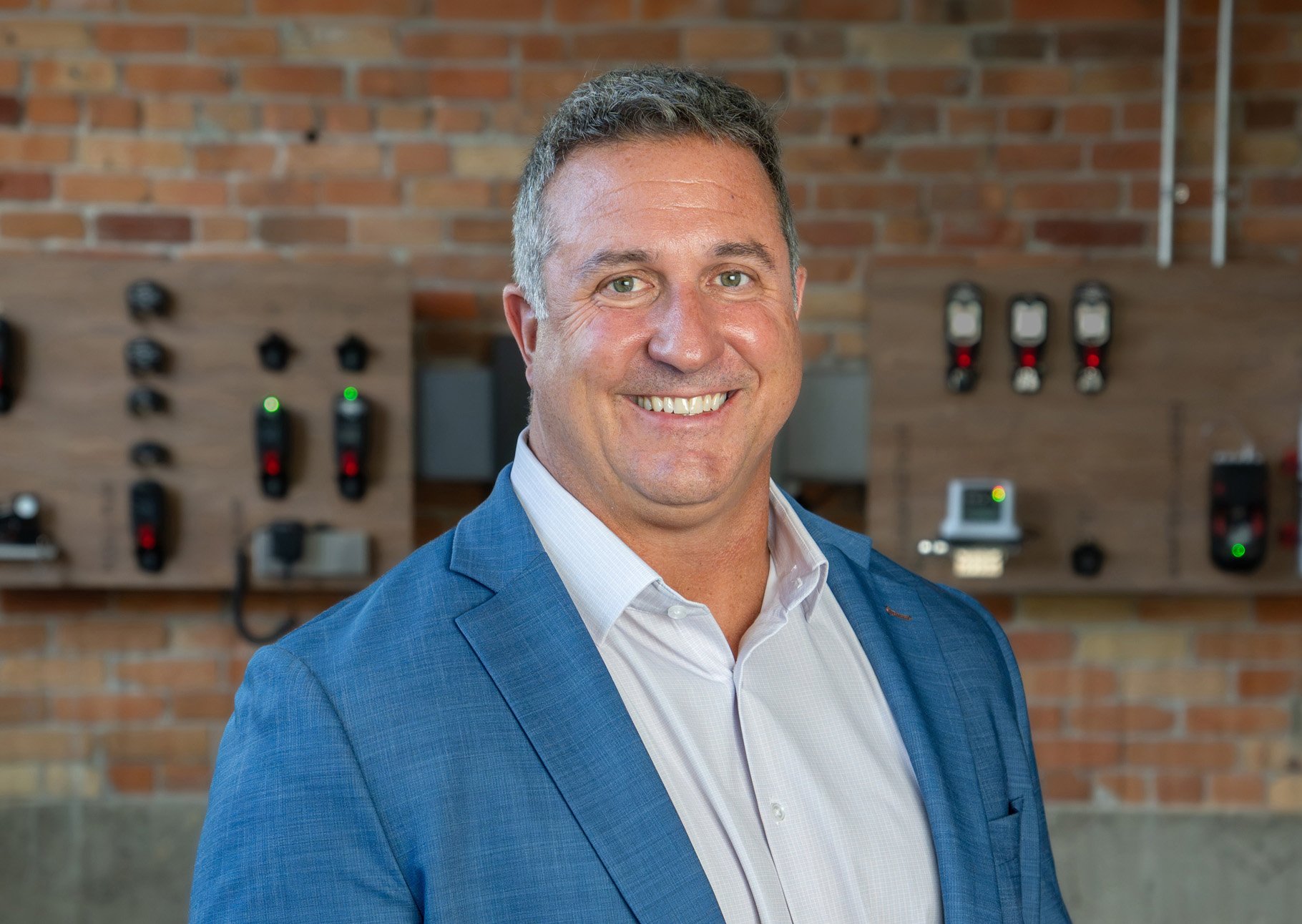
Blackline Safety Corp., a Calgary-based connected safety technology company, has appointed Jon Baldwin as chief executive officer, the company announced on September 28, 2026. Baldwin succeeds Cody Slater, who held the chief executive role for more than 15 years and will transition to board chair and chief architect, continuing to help shape the company's product and technology vision.
New chief executive brings two decades of connected technology experience
Baldwin brings more than 20 years of leadership experience across connected technology, sensing and hardware businesses, according to the announcement. Most recently, he led Verra Mobility's Government Solutions business, a connected platform for traffic safety. He has also served as president of Fortive's Gems Sensors & Controls business and held senior leadership roles at Fortive's Tektronix, Texas Instruments, National Semiconductor and Analog Devices.
"Blackline has built something truly differentiated — a connected safety platform that brings together purpose-built hardware, software, connectivity and data to protect people working in some of the world's most demanding environments," said Baldwin.
"I'm excited to join a company with such a strong mission, talented team and significant opportunity ahead. Cody and the Blackline team have built an exceptional foundation, and I look forward to building on that success and bringing Blackline's technology to even more workers around the world."
Outgoing CEO points to growth since 2011
Under Slater's leadership, the company says it grew from an emerging technology business into what it describes as a global leader in connected worker safety, with annual revenue rising from C$2 million in fiscal 2011 to more than C$150 million in fiscal 2025, according to the company. Over that period, Blackline expanded from lone-worker technology into a platform spanning gas detection, area monitoring, communications, cloud software and data analytics, including the G7 wearable devices that combine personal gas detection with lone-worker monitoring and, more recently, a gas-detection sensor mounted on a four-legged inspection robot for hazardous industrial sites. That growth has included commercial wins such as an $8.5-million contract Blackline announced in 2024 as its largest to date.
"Everything we've built at Blackline starts with protecting workers and using technology to help bring people home safe," said Slater. "I'm incredibly proud of how our team has turned that mission into a global connected safety company, and I believe the opportunity ahead of us is even greater. Jon brings an impressive combination of technology leadership, global operating experience and a proven ability to scale businesses, and I'm looking forward to working with him as Blackline continues to define the boundaries of what connected safety can do."
Blackline counts Francisco Partners among its backers. Mac Fountain, principal at Francisco Partners, said: "Blackline's customers trust its technology with the safety of their people every day, and that trust is the foundation of the business. Jon knows how to take great products to more customers in more markets, and we are excited for him to extend Blackline's reach and build on its product leadership."
Christine Wang, partner at Francisco Partners, added: "Cody's leadership has shaped Blackline into the company it is today, and we're pleased that he will remain an important part of its future as Board Chair and Chief Architect."
Blackline describes itself as a technology leader driving innovation in the industrial workforce through the Internet of Things (IoT). The company provides wearable devices, personal and area gas monitoring, cloud-connected software and data analytics to customers in more than 75 countries, and says its technology has reported more than 336 billion data points and initiated more than eight million emergency alerts.