Health-care workers face months of specialized burn care as three investigations into the deadly training-ground blaze continue
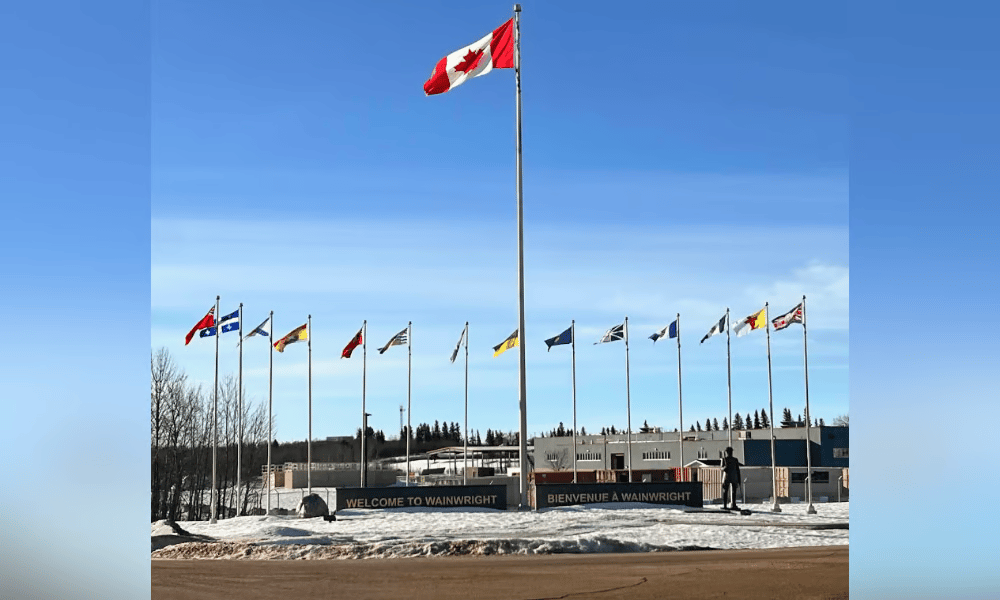
Health-care worker fatigue has become a central occupational health and safety (OHS) concern after the Oct. 17, 2026, Wainwright fire. Ottawa has sent military nurses to relieve Alberta burn teams caring for nine soldiers who remain in critical condition, according to Acute Care Alberta, the provincial acute care agency.
The agency told CBC News that 21 soldiers remain in Alberta hospitals, 15 on ventilators. CBC also reported that Health Canada granted special access to RECELL, a spray-on skin product, for their treatment. Four soldiers were killed and 39 injured when the fire at Canadian Forces Base (CFB) Wainwright, southeast of Edmonton, swept over troops during a training exercise.
Military nurses relieve civilian burn teams
That caseload prompted Alberta to seek federal help. Federal Emergency Management Minister Eleanor Olszewski approved the request in a Nov. 7, 2026, post on X, citing “nursing support related to the ongoing treatment of 22 Canadian Armed Forces (CAF) members.”
The 15 CAF nurses arrived Nov. 9 and will stay until Jan. 15, 2027, an Acute Care Alberta spokeswoman told Global News. Olszewski said they would work at the University of Alberta Hospital in Edmonton and Calgary’s Foothills Medical Centre, The Canadian Press (CP) reported.
“These nurses will supplement our existing staffing contingent by adding both capacity and flexibility,” Acute Care Alberta said in an emailed statement quoted by CP. “This offers well-deserved respite to civilian staff who have been working around the clock to provide this highly specialized care.”
What the Wainwright fire means for OHS teams
That respite matters because burn care is lengthy. Dr. Sayeh Zielke, interim chief executive officer of Acute Care Alberta, told Global News: “This is not a sprint, this is a marathon. We expect to be providing care for these patients all the way through December, January, and going forward.”
A confidential Alberta Health Services briefing dated Nov. 5, 2026, and obtained by Global News, showed four patients with burns covering 51 to 60% of their bodies, three with 41 to 50% and seven with 30 to 40%. Some need prolonged ventilator support because of smoke inhalation or airway injuries, Zielke said.
Such workloads carry known risks. In its Safe Hours Save Lives! report, the Canadian Federation of Nurses Unions (CFNU) said up to 94% of nurses it surveyed during the pandemic reported burnout symptoms, with 45% reporting severe burnout. Employers weighing overtime limits can draw on Canadian Occupational Safety (COS) reporting on psychological safety, including COS coverage of Island Health’s fatigue management policy.
Investigations could take a year
While clinicians focus on recovery, the cause of the fire remains under review. In a Nov. 4, 2026, update, the Department of National Defence (DND) said 14 injured personnel had left hospital. “Some may face a long journey ahead, but they will not face it alone,” the release said.
Three separate investigations are examining the fire, CP reported. Officials have said a sudden wind shift drove a nearby grass fire onto the troops. DND has declined further comment, citing its Board of Inquiry, which typically takes nine to 12 months, Global News reported. Until the findings are released, safety leaders reviewing fire-risk controls and protective gear can consult the vendors ranked in COS’s Readers’ Choice Awards for best safety suppliers.
For Alberta’s burn units, the immediate test is staffing. The federal nurses are scheduled to stay until mid-January 2027.