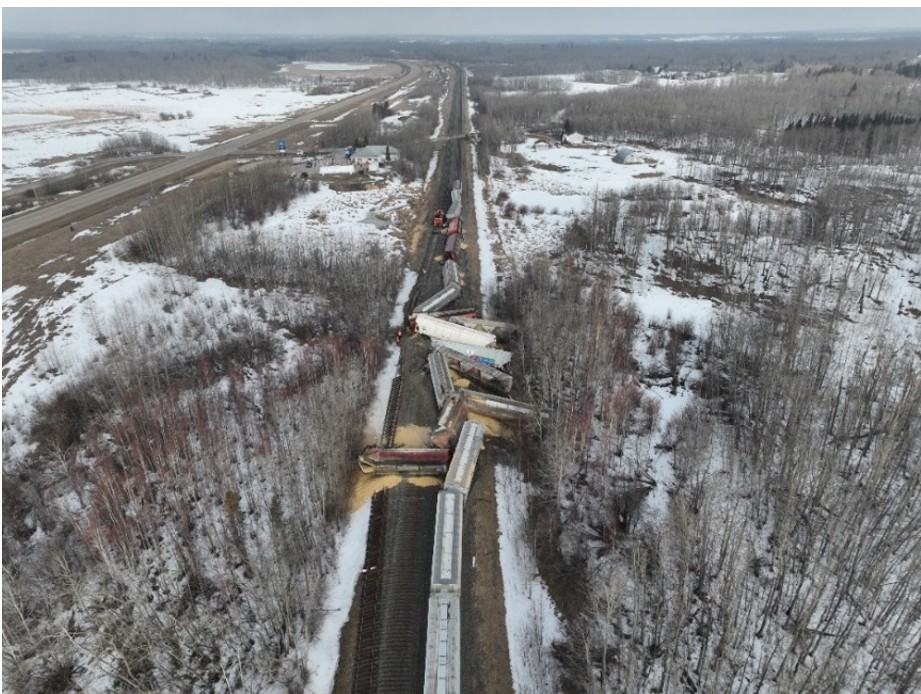

Busy transport hubs face mounting pressure to segregate foot traffic from commercial vehicles.
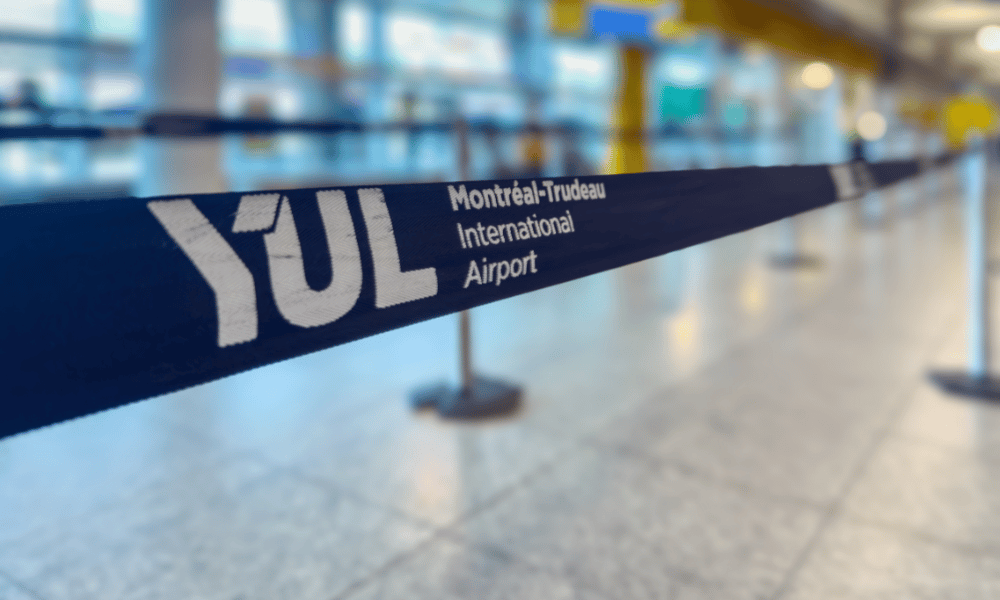
A security guard directing traffic on the arrivals ramp at Montreal-Trudeau International Airport was struck by a vehicle last Sunday afternoon — a collision that, while still under investigation, fits a pattern regulators and safety bodies have been flagging across the country all year.
Sûreté du Québec (SQ) spokesperson Stéphane Tremblay said the guard, who was assigned to traffic control duties, was knocked down at around 3:30 p.m. on Sept. 20 and taken to hospital with serious but non-life-threatening injuries.
A recurring pattern, not an isolated event
Workers positioned in active traffic lanes keep turning up in the same kind of incident report. A road crew worker in Ontario was seriously injured overnight while working a shift with no full lane closure in place, and a 60-year-old traffic signaller was killed near Montreal after being struck by a truck.
Earlier this year, Quebec's CNESST ruled that two flagger deaths in the province were preventable, citing site plans that left workers exposed to moving and reversing vehicles when engineering controls — full closures, forward-only traffic flow — could have removed that exposure altogether.
The broader data backs up what these individual cases suggest. WorkSafeBC has identified work-related motor vehicle incidents as the leading cause of traumatic workplace death in that province, accounting for a third of all such fatalities and roughly 1,339 injuries a year on average.
Meanwhile, an ISN report on serious injuries and fatalities flagged transportation as the second-highest sector for severe outcomes in 2023, with struck-by incidents involving heavy equipment named as a persistent concern across industries — not just construction and trucking, but anywhere workers are positioned in or near active vehicle lanes.
Airport curbsides sit squarely in that risk category but rarely get the same regulatory attention as highway work zones.
Traffic volume is high, drivers are frequently distracted by signage, gate changes and tight pickup windows, and — unlike a marked construction zone — there's often little in the way of physical separation between a guard and moving traffic.
What this trend means for employers
The pattern across these incidents points to the same gap CNESST identified in its flagger investigations: traffic control personnel are frequently used as the primary safeguard, when guidance from bodies like the Canadian Centre for Occupational Health and Safety treats them as a supplement to physical controls, not a replacement for them. That guidance calls for:
- Engineering out the exposure first — automated signals, raised refuge islands or barrier-protected posts, considered before deciding a person needs to stand in a live lane
- Site-specific traffic management plans — defined right-of-way rules, posted speed limits and marked safe-standing zones, rather than ad hoc positioning
- Physical protection, not just visibility — cones and hi-vis gear guide drivers but don't stop a vehicle; higher-risk zones warrant barriers or buffer vehicles
- Documented training and certification for anyone directing live traffic
- Fatigue and visibility planning across shifts, accounting for glare, weather and time of day
For safety leaders, the Trudeau Airport incident is a useful prompt to ask whether roadside and curbside traffic-control assignments in their own operations are being reviewed with the same rigour as a highway work zone — or whether, as CNESST found in its Quebec cases, a person is standing in for infrastructure that hasn't caught up with vehicle volume.