Agency notified after a commercial driver was airlifted to hospital in a serious incident
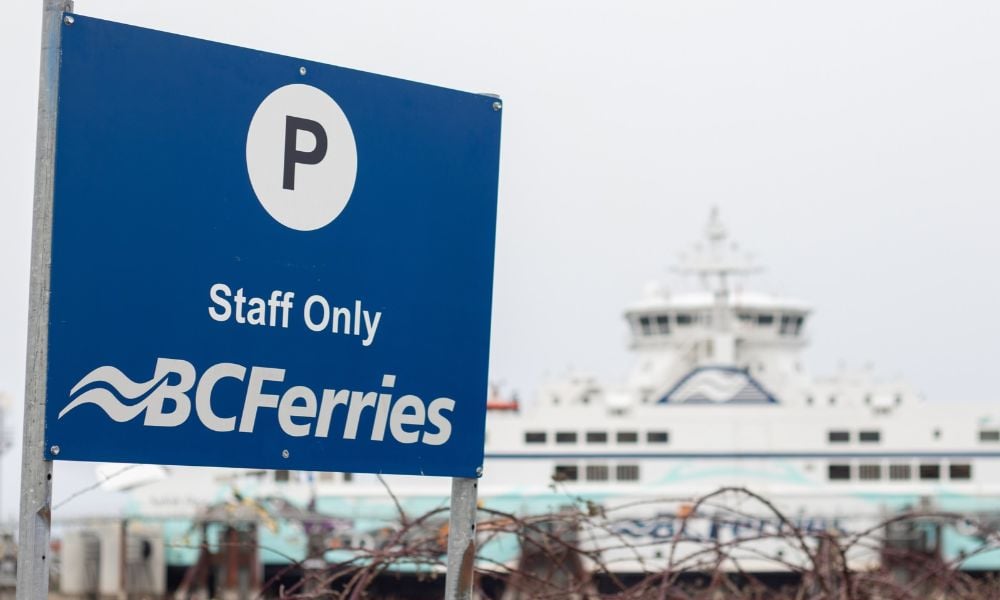
WorkSafeBC is investigating after a BC Ferries commercial services driver was airlifted to hospital following a serious workplace incident at the Tsawwassen ferry terminal on Thursday — an event that tests the incident response obligations of one of B.C.'s highest-traffic marine worksites.
The injured worker was transported in serious but stable condition; the terminal at 1 Ferry Causeway remained operational with minor traffic adjustments.
BC Emergency Health Services confirmed it received a call at 7:59 a.m. and dispatched two ambulances staffed with primary and advanced care paramedics.
"Paramedics provided emergency medical care to one patient who was transported to hospital in serious but stable condition," BCEHS paramedic public information officer Brian Twaites told CHEK News.
BC Ferries confirmed the incident and said emergency services responded promptly.
"Our immediate concern is for their wellbeing and for the wellbeing of those who witnessed this incident," the crown corporation said in a statement to CHEK News. The mechanism of injury had not been publicly disclosed as of the time of reporting.
BC Ferries was fined $674,445 by WorkSafeBC after a worker died at a Richmond maintenance facility in June 2020, after the regulator cited high-risk violations including failure to ensure worker health and safety.
Union calls for full investigation
WorkSafeBC confirmed it had been notified of a serious incident at the terminal. Under B.C.'s Workers Compensation Act, employers must notify WorkSafeBC immediately upon a serious worker injury, and the regulator has authority to investigate and issue compliance orders.
The BC Ferry and Marine Workers' Union confirmed the driver was airlifted to hospital. Union president Eric McNeely said the organisation would seek a full account of what transpired. "We are relieved to have received encouraging news about our member's condition. Our thoughts are with him, his family and his colleagues following what was undoubtedly a frightening incident," he said.
"The union will be seeking a full understanding of the circumstances surrounding this incident. Every worker deserves to return home safely at the end of their shift," McNeely added. Under B.C.'s OHS framework, unions and joint health and safety committees have the right to participate independently in investigations of serious incidents.
A persistent risk in high-traffic worksites
Workers being struck by vehicles or mobile equipment is one of the leading causes of serious and fatal injuries in B.C. WorkSafeBC campaign data show over 550 serious injuries and fatalities resulted from struck-by incidents over a ten-year period — a figure cited in ongoing prevention campaigns since at least 2021.
COS has previously covered WorkSafeBC data showing commercial drivers and transit operators are among workers most frequently injured by motor vehicles on the job — a hazard profile directly relevant to ferry terminal operations.
Neis et al. (New Solutions: A Journal of Environmental and Occupational Health Policy, March 2025, UBC and Memorial University) found that seafaring, longshore, and marine aquaculture work carry high injury rates, and that a low percentage of maritime workers file claims with WorkSafeBC — suggesting under-claiming may be widespread in the sector.
Workplace injuries and illnesses claimed 146 B.C. workers' lives in 2024, according to WorkSafeBC. The Canadian Occupational Safety 2026 Young Achievers special report on Canada's top OHS leaders under 35 profiles Canada's emerging OHS prevention leaders.